Blog

  • Braces and Aligners Discount Offers – Save Big Today!

    Braces and Aligners Discount Offers – Save Big Today!

    Are you looking for ways to achieve a perfect smile without breaking the bank? With the rising costs of orthodontic treatments, many are seeking discounts on braces and aligners to make their dream smile more affordable.

    Orthodontic treatments can be a significant investment, but with the right discount offers, you can save big on your journey to a straighter smile. Whether you’re considering traditional braces or the more discreet aligners, understanding the available discounts can help you make an informed decision.

    Key Takeaways

    • Explore various orthodontic treatment options to find the best fit for your budget.
    • Look for discount offers on braces and aligners from reputable providers.
    • Understand the costs associated with different orthodontic treatments.
    • Consider the benefits of both traditional braces and aligners.
    • Make an informed decision by comparing prices and services.

    Understanding Your Orthodontic Treatment Options

    When it comes to orthodontic treatment, understanding your options is crucial for making informed decisions. Orthodontic treatments have come a long way, offering various solutions to cater to different needs and preferences.

    Traditional Braces vs. Clear Aligners

    Two primary types of orthodontic treatments are traditional braces and clear aligners. Traditional braces are known for their effectiveness in treating complex orthodontic issues, while clear aligners offer a more discreet and convenient alternative.

    Popular Brands: Invisalign, SmileDirectClub, and More

    Popular brands like Invisalign and SmileDirectClub have gained significant attention in recent years. Invisalign is known for its custom-made aligners, while SmileDirectClub offers at-home aligner solutions.

    Average Costs Without Discounts

    The cost of orthodontic treatments can vary significantly. On average, traditional braces can cost between $3,000 to $7,000, while clear aligners can range from $2,000 to $8,000.

    Treatment Type Average Cost
    Traditional Braces $3,000 – $7,000
    Clear Aligners $2,000 – $8,000

    Understanding these costs is essential for planning your orthodontic treatment. By knowing the average costs and available options, you can make a more informed decision about your care.

    Why Braces and Aligners Discount Offers Matter

    Orthodontic treatments can be a significant investment for many individuals and families. The financial burden often deters people from seeking the treatment they need.

    The Financial Impact of Orthodontic Treatments

    The cost of orthodontic treatments can vary widely, depending on the type of treatment and the duration of care. Traditional braces and clear aligners are the most common options, with prices ranging from $3,000 to $8,000 or more.
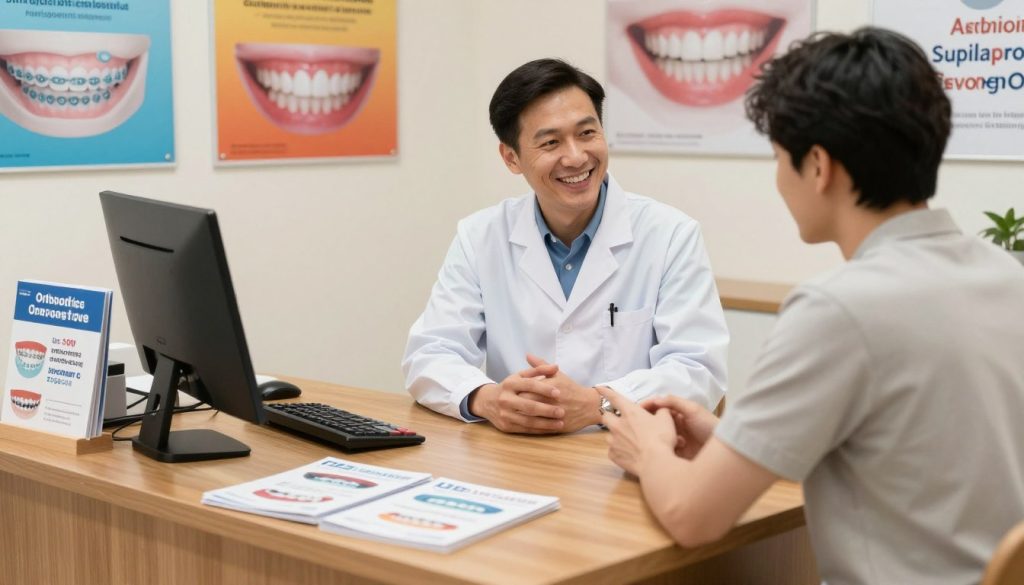
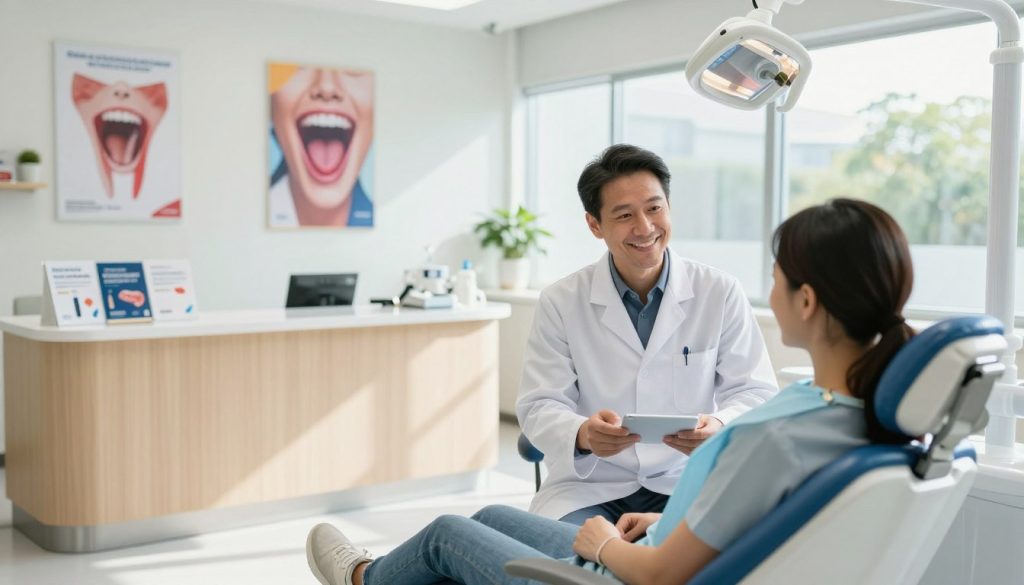
    A professional orthodontist's office featuring an inviting atmosphere that highlights orthodontic treatment costs. In the foreground, a polished wooden desk displays brochures about braces and aligners discount offers, with an elegant calculator beside it. In the middle, a smiling orthodontist in professional attire is consulting with a patient, both engaged in conversation, creating a sense of trust and care. The background showcases colorful posters of different braces and aligners, subtly emphasizing affordability and savings. Soft, warm lighting enhances the friendly ambiance, and the image is captured from a slightly elevated angle, giving a comprehensive view of the space. The overall mood conveys optimism and encouragement about making orthodontic treatments accessible.

    How Discounts Can Make Treatment Accessible

    Discount offers can significantly reduce the financial barrier to orthodontic care. By making treatment more affordable, discounts enable more people to achieve their desired smile.

    Potential Savings Percentages

    Discounts can range from 10% to 30% off the total treatment cost. For example, a 20% discount on a $5,000 treatment plan can save patients $1,000, making the treatment more accessible.

    By understanding the potential savings, individuals can make more informed decisions about their orthodontic care, taking advantage of discount offers to achieve a healthier, more confident smile.

    Insurance and Financing Discount Options

    When it comes to orthodontic care, understanding your insurance and financing options is crucial for managing costs effectively. Many patients are unaware of the various ways they can reduce their expenses.

    Maximizing Dental Insurance Benefits

    One of the first steps in reducing orthodontic costs is to maximize your dental insurance benefits. Check if your plan covers orthodontic treatments and what the limitations are. Some insurance plans cover a significant portion of the treatment costs, while others may only cover a certain percentage or have a lifetime maximum benefit.

    Flexible Spending Accounts (FSAs) and Health Savings Accounts (HSAs)

    Utilizing FSAs or HSAs can also help in saving money on orthodontic treatments. These accounts allow you to set aside pre-tax dollars for medical expenses, including orthodontic care, thereby reducing your taxable income.

    Payment Plans and Financing Programs

    Many orthodontists offer payment plans and financing programs to help spread the cost of treatment over time. These plans can make orthodontic care more manageable by breaking down the total cost into monthly payments.

    Credit Options with Promotional Rates

    Some orthodontic practices partner with financial institutions to offer credit options with promotional rates, such as 0% interest financing for a certain period. This can be an attractive option for patients who can pay off the treatment within the promotional period.

    Finding the Best Braces and Aligners Discount Offers

    To save big on orthodontic treatments, it’s essential to know where to look for the best discount offers. With various options available, being informed can help you make the most of your treatment.

    Researching Provider Promotions and Referral Programs

    Many orthodontic providers offer promotions and referral programs that can significantly reduce your treatment costs. These can include discounts for new patients, referral incentives, or special deals for students and military personnel.

    It’s worth asking about any available promotions when you consult with your orthodontist. Some providers may also have loyalty programs that reward repeat customers.

    Seasonal and Special Event Discounts

    Keep an eye out for seasonal and special event discounts offered by orthodontic providers. These can be tied to holidays, back-to-school seasons, or other special occasions.

    Some orthodontists may offer limited-time discounts or package deals that include additional services like teeth whitening or retainers.

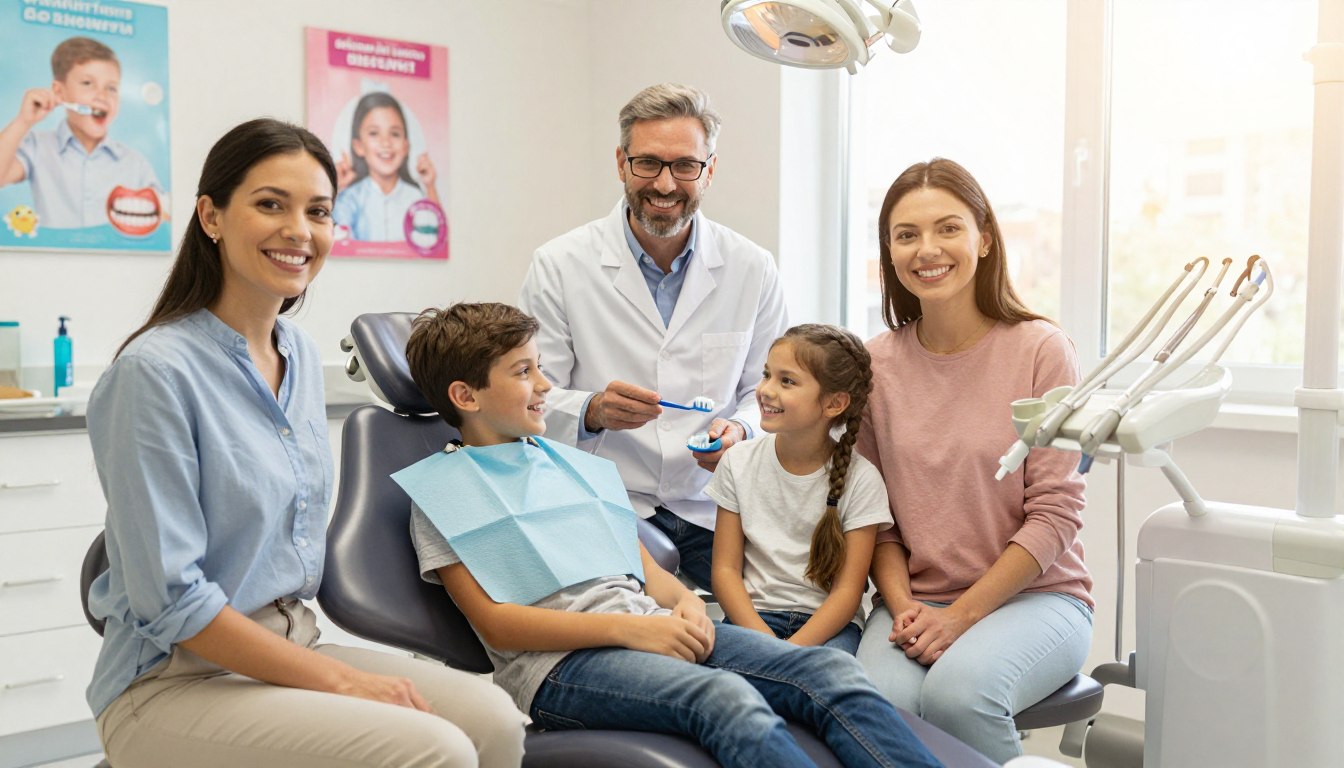
    A bright and inviting orthodontic clinic scene, showing a modern reception area with sleek furniture and colorful promotional posters highlighting "Discount Offers on Braces and Aligners". In the foreground, a friendly orthodontist in a professional business attire gestures towards a digital screen displaying attractive deals. In the middle ground, a smiling family examines brochures about braces and aligners. The background features a well-organized space with dental equipment and plants, enhancing the welcoming atmosphere. Soft, warm lighting creates a comfortable ambiance, and the camera angle is slightly elevated to capture the entire scene, instilling a sense of optimism and opportunity for savings.

    Comparison Shopping Between Orthodontists

    Comparison shopping between different orthodontists can help you find the best discount offers. Be sure to research and compare prices, services, and promotions from multiple providers.

    Consider factors like treatment duration, technology used, and patient reviews when making your decision.

    Online Discount Platforms and Coupon Sites

    Online discount platforms and coupon sites can also be a valuable resource for finding orthodontic discounts. Websites like Groupon or LivingSocial often feature deals on orthodontic services.

    Discount Type Average Savings Frequency
    Provider Promotions 10-20% Common
    Referral Programs 5-15% Common
    Seasonal Discounts 15-30% Occasional
    Online Discounts 20-40% Occasional

    By being proactive and doing your research, you can uncover significant savings on your orthodontic treatment. Whether it’s through provider promotions, seasonal discounts, or online deals, there are many ways to make your treatment more affordable.

    Direct-to-Consumer Aligner Discounts

    Consumers are now able to achieve their perfect smile without breaking the bank, thanks to the discounts and offers from direct-to-consumer aligner brands. These brands have revolutionized the orthodontic care landscape by offering affordable alternatives with various discount structures.

    At-Home Aligner Brands and Their Discount Structures

    At-home aligner brands such as SmileDirectClub and Candid offer competitive pricing and various discounts to attract new customers. These discounts can be in the form of promotional codes, first-time customer offers, or loyalty discounts for repeat customers.

    • SmileDirectClub: Offers $100 off for first-time customers and referral discounts.
    • Candid: Provides $200 off for first-time customers and a discount for students.

    Promotional Codes and First-Time Customer Offers

    Many at-home aligner brands offer promotional codes and first-time customer discounts to encourage new users to try their services. These offers can significantly reduce the cost of orthodontic treatment.

    “Using a promotional code can save you up to 20% on your first purchase,” says a spokesperson from SmileDirectClub.

    Membership Programs and Loyalty Discounts

    Some at-home aligner brands have membership programs that offer loyalty discounts and exclusive benefits to their members. These programs can provide ongoing savings and perks for customers who continue their treatment plans.

    For example, SmileDirectClub’s membership program offers exclusive discounts and priority customer support. By joining these programs, customers can enjoy continued savings and enhanced service.

    Step-by-Step Guide to Securing Orthodontic Discounts

    Navigating the world of orthodontic discounts can be complex, but with the right information, you can save significantly. Securing the best deal on your orthodontic treatment requires a combination of preparation, research, and strategic planning.

    Preparing for Your Consultation

    Before your consultation, it’s essential to research different orthodontic treatment options and understand their associated costs. This preparation allows you to ask informed questions and make the most of your visit.

    Questions to Ask About Available Discounts

    During your consultation, don’t hesitate to inquire about available discounts. Some key questions to ask include:

    • What discounts or promotions are currently available?
    • Are there any referral programs that can help reduce costs?
    • Can I qualify for any special offers or limited-time deals?

    Negotiating Your Treatment Plan

    Negotiating your treatment plan can also lead to significant savings. Discuss your budget with your orthodontist and explore flexible payment options or alternative treatments that might be more cost-effective.

    Timing Your Treatment for Maximum Savings

    Timing is everything when it comes to orthodontic discounts. Keep an eye out for seasonal promotions or special event discounts that can help you save big. Planning your treatment around these promotions can maximize your savings.
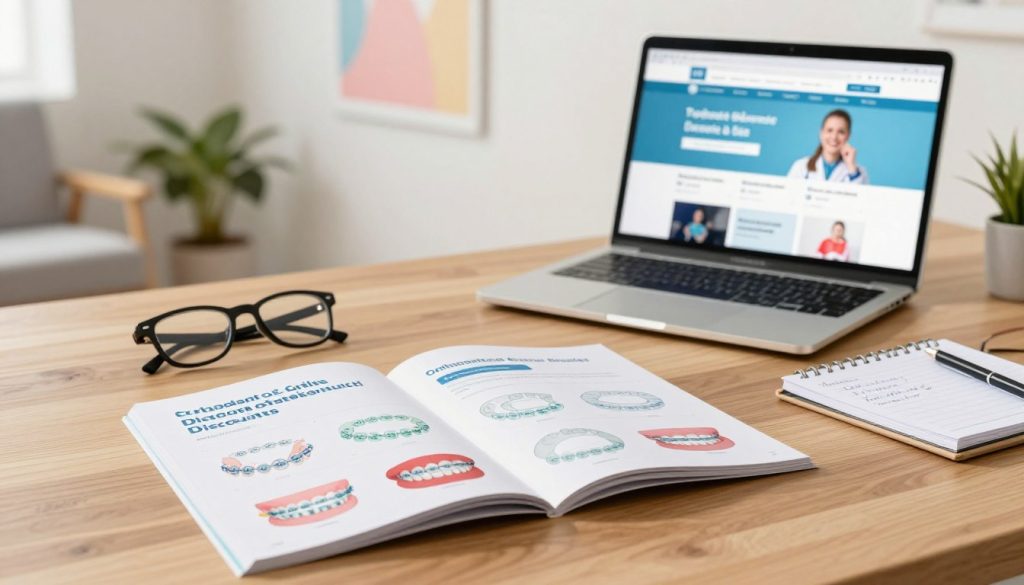
    A visually appealing scene depicting an orthodontic discounts guide on a wooden desk. In the foreground, a well-organized brochure is open, featuring colorful graphics of braces and aligners. A pair of reading glasses is placed beside it. The middle ground showcases a sleek laptop displaying a website with discount offers, alongside a notepad filled with handwritten notes. The background features a softly blurred waiting room with potted plants and calming, pastel wall art related to dental care. The lighting is warm and inviting, creating a friendly atmosphere. The perspective is slightly angled, providing depth and interest to the layout while maintaining focus on the guide.

    By following these steps and staying informed, you can secure the best possible deal on your orthodontic treatment. Remember, a little preparation and negotiation can go a long way in reducing your costs.

    Achieving Your Perfect Smile Without Breaking the Bank

    Achieving a perfect smile is now more accessible than ever, with various discount offers available for braces and aligners. By exploring these options, individuals can significantly reduce the cost of their orthodontic treatment, making it more affordable.

    Discounts on orthodontic treatments, such as those offered by popular brands like Invisalign and SmileDirectClub, can be substantial. By taking advantage of these offers, patients can save a considerable amount on their treatment, making achieving a perfect smile a realistic goal without the hefty price tag.

    To make the most of these discounts, it’s essential to research and compare the various options available. This includes looking into provider promotions, referral programs, and seasonal discounts. By being informed and proactive, individuals can secure affordable orthodontic treatment and enjoy the benefits of a beautiful, healthy smile.

    With the right approach and knowledge, achieving a perfect smile can be a straightforward and affordable process. By leveraging the available discounts and savings opportunities, individuals can transform their smile without straining their budget, ultimately enjoying a more confident and healthier smile.

    FAQ

    What types of orthodontic treatments are eligible for discounts?

    Discounts are available for various orthodontic treatments, including traditional braces and clear aligners from popular brands like Invisalign and SmileDirectClub.

    How can I find out about available discounts on orthodontic treatments?

    You can research provider promotions, referral programs, and seasonal discounts. You can also check online discount platforms, coupon sites, and the websites of orthodontists in your area.

    Can I use dental insurance in conjunction with discount offers?

    Yes, you can often maximize your dental insurance benefits alongside discount offers. It’s essential to check with your insurance provider and orthodontist to understand the specifics.

    Are there financing options available for orthodontic treatments?

    Yes, there are various financing options, including payment plans, financing programs, and credit options with promotional rates. You can also utilize Flexible Spending Accounts (FSAs) and Health Savings Accounts (HSAs).

    How can I negotiate my treatment plan to get the best discount?

    To negotiate your treatment plan, prepare for your consultation by researching the available options and asking questions about discounts. You can also consider timing your treatment to coincide with special promotions or events.

    Are direct-to-consumer aligner brands offering discounts?

    Yes, many direct-to-consumer aligner brands offer discounts, including promotional codes, first-time customer offers, and loyalty discounts through membership programs.

    What should I ask during my consultation to ensure I get the best discount?

    Ask about available discounts, promotional offers, and financing options. You should also inquire about the total cost of the treatment and any potential savings.

    Can I comparison shop between different orthodontists to find the best discount?

    Yes, comparison shopping between orthodontists can help you find the best discount. Be sure to research their promotions, referral programs, and financing options.
  • Discover Low Cost Dental Implant Deals in the US

    Discover Low Cost Dental Implant Deals in the US

    Are you tired of hiding your smile due to missing teeth? Dental implants can be a life-changing solution, but the cost can be a significant barrier. What if you could find affordable options without compromising on quality?

    Affordable dental care is a growing concern for many Americans. With the rising costs of healthcare, finding deals on dental implants

    Fortunately, there are options available that can make dental implants more accessible. By exploring these opportunities, you can regain your confidence and enjoy a healthier, happier smile.

    Key Takeaways

    • Affordable dental implant options are available across the US.
    • Significant savings can be achieved by exploring various deals.
    • Quality dental care doesn’t have to break the bank.
    • Several factors influence the cost of dental implants.
    • Researching and comparing prices can lead to substantial savings.

    Understanding the Basics of Dental Implants and Their Costs

    Understanding the basics of dental implants is crucial for making informed decisions about your dental health. Dental implants are a significant investment in your oral well-being, and knowing what they entail can help you navigate the process with confidence.

    What Dental Implants Are and Why They’re Worth Considering

    Dental implants are artificial tooth roots made of titanium that are surgically placed into the jawbone to support a replacement tooth or bridge. They are a popular solution for missing teeth because they offer a natural look and feel, improving both the function and aesthetics of your smile. According to the American Dental Association, dental implants can significantly enhance oral health by preventing bone loss and reducing the risk of adjacent teeth shifting.

    Breaking Down the Average Dental Implant Costs in the US

    The cost of dental implants in the US can vary widely, but on average, a single implant can cost anywhere from $3,000 to $5,000. This includes the cost of the implant itself, the abutment, and the crown. Here’s a breakdown of the average costs:

    Component Average Cost
    Dental Implant $1,000 – $3,000
    Abutment $500 – $1,500
    Crown $1,000 – $3,000
    Total $3,000 – $5,000

    Key Factors That Influence Dental Implant Pricing

    Several factors can influence the cost of dental implants, making them more or less expensive depending on your location and the specifics of your procedure.

    Geographic Location Impact

    The cost of dental implants can vary significantly depending on where you live in the US. Urban areas tend to have higher prices due to the increased cost of living and operating a dental practice.

    Dentist Experience and Specialization

    A dentist with extensive experience and specialization in implantology may charge more for their services, but this can also ensure a higher success rate and better outcomes.

    Materials and Technology Used

    The type of materials used for the implant, abutment, and crown, as well as the technology employed during the procedure, can also impact the overall cost. Advanced technology and high-quality materials may increase the upfront cost but can lead to longer-lasting results.

    “The quality of dental implants and the expertise of the dentist are crucial for the long-term success of the implant.” –

    A leading dental implant specialist

    By understanding these factors and considering budget-friendly dental implants, you can make an informed decision that suits your needs and budget.

    How to Find Low Cost Dental Implants Deals in Your Area

    The quest for affordable dental implants leads many to explore various cost-saving options. Finding discounted dental implant services requires some effort, but with the right strategies, you can achieve a healthy, beautiful smile without breaking the bank.

    Step 1: Research Dental Schools and Teaching Clinics

    Dental schools and teaching clinics offer a great way to save on dental implants. These institutions provide cost-effective dental implant options as part of their training programs for dental students.

    Finding Accredited Programs Near You

    To find accredited dental schools, you can visit the American Dental Association (ADA) website or contact local dental universities. They often have clinics that offer discounted rates for dental services, including implants.

    What to Expect from Student Dentists

    While it’s natural to have concerns, student dentists are closely supervised by experienced professionals. They are trained to follow strict protocols, ensuring you receive quality care.

    Typical Savings at Dental Schools

    Savings can range from 30% to 60% off the regular prices for dental implants. For example, a dental implant that costs $3,000 might be available for $1,800 to $2,100 at a dental school.

    Procedure Average Cost Dental School Cost Savings
    Dental Implant $3,000 $1,800 – $2,100 30% – 60%
    Crown $1,000 $500 – $700 30% – 50%
    Abutment $500 $300 – $400 20% – 40%

    Step 2: Explore Dental Savings Plans and Discount Programs

    Dental savings plans offer an alternative to traditional insurance. For an annual fee, you can receive discounts on dental procedures, including implants. These plans can provide significant savings, often between 10% to 50% off regular prices.

    Step 3: Use Online Resources to Track Special Promotions

    Websites like Healthline, Dentaly.org, and local dental tourism sites often list promotions and discounts for dental implants. Signing up for newsletters from dental implant manufacturers and local dentists can also alert you to special deals.

    A modern dental clinic interior, showcasing a welcoming reception area with soothing colors and friendly décor. In the foreground, display a sleek dental chair positioned next to a bright window, reflecting natural light. The middle ground features a dental professional in professional attire, speaking with a patient, both smiling and appearing engaged in a consultation about affordable dental implants. In the background, include shelves with dental brochures highlighting low-cost options and a poster on the wall promoting dental health. Use a soft focus to create a warm, inviting atmosphere, emphasizing accessibility and care. The lighting should be bright and inviting, capturing a sense of hope and opportunity for patients seeking cost-effective dental solutions.

    By following these steps, you can find discounted dental implant services and achieve your desired smile without overspending. Remember to research thoroughly and consider all available options to ensure you’re getting the best value for your money.

    Evaluating Quality When Choosing Affordable Dental Implant Providers

    When searching for affordable dental implant solutions, it’s crucial to balance cost with quality to ensure a successful outcome. Dental implants are a significant investment in your oral health and overall well-being, making it essential to choose a provider who offers both value and expertise.

    Verifying Credentials and Patient Reviews

    One of the first steps in evaluating a dental implant provider is to verify their credentials. Look for dentists or oral surgeons who are certified by reputable organizations such as the American Board of Oral and Maxillofacial Surgery. Additionally, reading patient reviews can provide insights into the quality of care and patient satisfaction.

    Key factors to consider:

    • Certifications and specialized training
    • Patient testimonials and reviews
    • Before-and-after photos of previous work

    Understanding What’s Included in Your Quoted Price

    Understanding the components of your dental implant quote is vital to avoid unexpected costs. A comprehensive quote should include all necessary procedures and materials.

    Component Breakdown: Implant, Abutment, and Crown

    The total cost of dental implants typically includes the implant itself, the abutment, and the crown. Each component plays a crucial role in the overall success of the implant.

    Additional Procedures That May Affect Cost

    Some patients may require additional procedures such as bone grafting or sinus lifts, which can impact the overall cost. Discuss these potential needs with your provider.

    Warranty and Follow-up Care Coverage

    Inquire about the warranty offered on the implants and the coverage for follow-up care. A reputable provider should stand behind their work with a comprehensive warranty.

    Component Description Typical Cost Range
    Implant The artificial tooth root $1,000 – $3,000
    Abutment The connector between the implant and crown $300 – $1,000
    Crown The visible part of the dental implant $1,000 – $3,000

    Warning Signs of Too-Good-To-Be-True Dental Implant Offers

    Be cautious of providers offering significantly lower prices than the market average. Such deals may compromise on quality or hide additional fees.

    Red flags to watch out for:

    • Prices significantly lower than competitors
    • Lack of transparency about costs and procedures
    • Pressure to make an immediate decision

    Smart Financing Options for Budget-Friendly Dental Implants

    Investing in dental implants is a step towards a healthier smile, and with the right financing, it can be more budget-friendly. For many, the cost of dental implants can be a significant upfront expense, but there are several financing options and strategies that can make this investment more manageable.

    Maximizing Dental Insurance Coverage for Implants

    Before exploring other financing options, it’s crucial to understand your dental insurance coverage. Some plans cover a portion of dental implant costs, while others may not cover implants at all. Review your policy to determine the extent of your coverage. In some cases, insurance may cover the crown or other related procedures, even if the implant itself is not covered.

    • Check if your insurance plan covers any part of the implant procedure.
    • Understand the annual maximum benefit and any waiting periods.
    • Consider supplemental insurance if your primary plan doesn’t cover implants.

    Leveraging Medical Credit Cards and Payment Plans

    Medical credit cards and payment plans are viable options for financing dental implants. Companies like CareCredit offer financing for dental procedures, including implants. These plans can allow you to spread the cost over several months or even years, often with competitive interest rates or promotional financing options.

    When considering a medical credit card or payment plan, it’s essential to:

    1. Review the interest rate and any associated fees.
    2. Understand the repayment terms and any penalties for late payments.
    3. Check if there are any promotional periods with zero or low interest.

    Using Health Savings Accounts and Flexible Spending Accounts

    For those with High-Deductible Health Plans (HDHPs), Health Savings Accounts (HSAs) and Flexible Spending Accounts (FSAs) can be powerful tools for saving on dental implant costs. Contributions to these accounts are made pre-tax, reducing your taxable income.

    Tax Advantages of HSAs and FSAs

    Both HSAs and FSAs offer tax advantages that can help reduce the effective cost of dental implants. Contributions are tax-deductible, and the funds grow tax-free.

    Timing Your Procedures for Maximum Benefits

    It’s crucial to plan your dental implant procedure according to your HSA or FSA funding schedule. For FSAs, since funds are typically “use it or lose it,” timing is everything to maximize your benefits.

    Combining Financing Methods for Greater Savings

    Consider combining different financing methods to achieve the best possible outcome. For example, using an HSA to cover part of the cost and a medical credit card for the remainder can be an effective strategy.

    A modern dental clinic interior showcasing an inviting and professional atmosphere. In the foreground, a dental practitioner in a white coat and smart attire is discussing financing options with a patient seated comfortably in a dental chair, both engaged and smiling. In the middle ground, a stylish reception desk features brochures on affordable dental implants. The background highlights bright, clean surroundings with motivational dental health posters and soft, natural light streaming in through large windows. The overall mood is optimistic and reassuring, emphasizing a sense of trust and opportunity for budget-conscious patients seeking dental care solutions. The scene is captured with a wide-angle lens to accentuate the spaciousness and warmth of the clinic, creating a welcoming vibe without any distractions.

    Conclusion: Transforming Your Smile Without Breaking the Bank

    Achieving a beautiful, healthy smile with dental implants is more accessible than ever, with various pocket-friendly dental implant promotions available across the US. By understanding the basics of dental implant costs and the factors that influence them, individuals can make informed decisions about their care.

    Researching and comparing prices, exploring dental savings plans, and leveraging financing options can significantly reduce the financial burden. It’s also crucial to prioritize quality care by verifying the credentials of dental providers and understanding what’s included in the quoted price.

    With smart financing options, such as dental insurance coverage, medical credit cards, and health savings accounts, transforming your smile is within reach. By taking the time to explore these options and plan carefully, individuals can enjoy the benefits of dental implants without breaking the bank.

    Now is the perfect time to take the next step towards a more confident smile. Explore local dental implant providers, review their promotions, and start your journey to a healthier, happier you.

    FAQ

    What are the benefits of choosing budget-friendly dental implants?

    Budget-friendly dental implants can provide significant cost savings without compromising on the quality of care, allowing individuals to achieve a healthy and beautiful smile at an affordable price.

    How can I find discounted dental implant services in my area?

    To find discounted dental implant services, research local dental schools, clinics, and online resources that offer promotions and discounts on dental implant procedures, and consider dental savings plans and discount programs.

    Are cheap dental implants a good option for me?

    While cheap dental implants may be tempting, it’s essential to evaluate the quality of care and materials used to ensure that you’re getting a reliable and long-lasting solution, rather than just the lowest price.

    What factors influence the cost of dental implants?

    The cost of dental implants is influenced by factors such as geographic location, dentist experience, materials used, and additional procedures required, so it’s crucial to understand these elements when evaluating costs.

    Can I use health savings accounts or flexible spending accounts to pay for dental implants?

    Yes, you can use health savings accounts (HSAs) and flexible spending accounts (FSAs) to pay for dental implants, and these accounts offer tax advantages that can help reduce your out-of-pocket expenses.

    How can I maximize my dental insurance coverage for implants?

    To maximize your dental insurance coverage for implants, review your policy to understand what’s covered, and work with your dentist to ensure that the procedure is coded correctly to maximize your benefits.

    What are some warning signs of too-good-to-be-true dental implant offers?

    Be cautious of dental implant offers that seem too good to be true, such as unusually low prices, lack of transparency about materials and procedures, or pressure to make a quick decision, as these may indicate a low-quality or unreliable provider.

    Are there any pocket-friendly dental implant promotions available?

    Yes, many dental clinics and online resources offer pocket-friendly dental implant promotions, discounts, and special deals, so it’s worth researching and comparing options to find the best value for your budget.

    How can I verify the credentials of a dental implant provider?

    To verify the credentials of a dental implant provider, check their qualifications, experience, and patient reviews, and look for certifications from reputable organizations, such as the American Board of Oral Implantology.
  • Dental Care Discounts to Keep Your Family Smiling

    Dental Care Discounts to Keep Your Family Smiling

    Are you struggling to keep your family’s smiles bright due to the high costs of dental visits? Maintaining good oral health is crucial for overall well-being, yet it can be financially challenging.

    Regular dental check-ups and treatments are essential, but the expenses can add up quickly. This is where dental care discounts for families come into play, offering a viable solution to keep your family’s oral health in check without breaking the bank.

    By leveraging family dental care savings programs, you can significantly reduce your dental expenses. These programs are designed to make dental care more affordable, ensuring your family can maintain healthy, happy smiles.

    Key Takeaways

    • Regular dental care is crucial for overall health.
    • Dental expenses can be a significant financial burden.
    • Dental care discounts offer a cost-effective solution.
    • Family dental care savings programs can reduce expenses.
    • Affordable dental care ensures healthy smiles for your family.

    The Rising Cost of Family Dental Care

    Families across the United States are facing a significant rise in dental care expenses. The cost of maintaining good oral health is escalating, making it challenging for many to afford necessary dental treatments.

    Why Regular Dental Care Matters for Families

    Regular dental care is crucial for families as it helps prevent oral health issues such as cavities, gum disease, and bad breath. Early detection and prevention can save families from more costly and complex treatments down the line. Moreover, good oral health contributes to overall well-being, boosting confidence and quality of life.

    Common Financial Barriers to Dental Treatment

    Despite its importance, many families struggle to afford dental care due to high costs associated with procedures like fillings, crowns, and root canals. Lack of insurance or inadequate coverage often exacerbates the issue, leaving families with significant out-of-pocket expenses. Exploring affordable family dental discounts and discounted dental services for families can provide much-needed relief.

    By understanding the financial barriers and seeking available discounts, families can better manage their dental care expenses and maintain good oral health.

    Dental Care Discounts for Families: Types and Options

    The quest for affordable family dental care leads many to explore discount plans and programs. Families can benefit from various types of dental care discounts that make maintaining oral health more affordable.

    Dental Discount Plans Explained

    Dental discount plans offer an alternative to traditional insurance. For an annual or monthly fee, members receive discounted rates on dental services at participating providers. These plans can be particularly beneficial for families, offering significant savings on routine care and major procedures.

    Dental Insurance Alternatives

    For families who cannot access or afford traditional dental insurance, alternatives like dental savings plans or direct primary care dental plans are available. These options provide discounted dental care without the need for insurance, often at a lower cost.

    Government and Non-Profit Programs

    Certain government and non-profit programs offer low-cost or free dental care to eligible families. These programs vary by location and often have specific requirements for qualification. Families can explore these options to find affordable dental care.

    A warm and inviting dental clinic setting, focusing on family-friendly dental care deals. In the foreground, showcase a happy family of four, dressed in modest casual clothing, interacting cheerfully with a friendly dentist in professional attire. The dentist is pointing at colorful flyers displaying various dental discounts. In the middle ground, a clean and modern dental office featuring bright, cheerful colors, with dental equipment subtly arranged. In the background, large windows let in soft, natural light, enhancing the welcoming atmosphere. The mood is positive, emphasizing care and accessibility, with a hint of playfulness, making it relatable for families seeking dental care options. Use a slightly wide-angle lens to capture the scene effectively.

    Program Type Description Potential Savings
    Dental Discount Plans Discounts on dental services at participating providers Up to 50% on procedures
    Dental Insurance Alternatives Low-cost plans without traditional insurance Varies by plan, often 20-40% savings
    Government & Non-Profit Low-cost or free dental care for eligible families 100% for eligible participants

    By exploring these options, families can find affordable dental care that fits their budget, ensuring they can maintain good oral health without financial strain.

    Step-by-Step Guide to Finding the Best Family Dental Discounts

    With the rising costs of dental care, discovering exclusive savings on family dental care is more important than ever. Families can significantly reduce their dental expenses by following a simple, step-by-step guide to finding the best dental discounts.

    Researching Available Programs in Your Area

    The first step in finding the best family dental discounts is to research available programs in your area. This involves looking into dental discount plans, insurance alternatives, and government or non-profit programs that offer discounted dental services. Utilize online resources and dental provider websites to gather information on available discounts.

    Evaluating Provider Networks and Services Covered

    Once you have identified potential dental discount programs, evaluate the provider networks and services covered. Ensure that the program includes a wide network of dentists and covers the services your family needs, such as routine cleanings, fillings, and extractions. Check if the program offers discounts on specialty services like orthodontics or oral surgery.

    Comparing Costs: Fees, Savings, and Value

    The final step is to compare the costs associated with different dental discount programs. Create a table to compare the fees, savings, and overall value of each program. Consider factors such as annual fees, discount percentages, and any limitations on services.

    Program Annual Fee Discount Percentage Overall Value
    Program A $100 20% High
    Program B $150 30% Very High
    Program C $80 15% Medium

    By following these steps, families can make informed decisions about their dental care and save money on essential services.

    How to Maximize Savings on Family Dental Procedures

    Smart families know that maximizing savings on dental procedures is key to maintaining oral health without breaking the bank. By adopting a few strategic practices, families can significantly reduce their dental expenses.

    Preventive Care Strategies That Save Money

    Preventive care is the cornerstone of cost-effective dental health. Regular brushing, flossing, and check-ups can prevent more costly procedures down the line. Families should prioritize:

    • Regular dental cleanings
    • Fluoride treatments
    • Sealants for children

    Timing Dental Treatments for Maximum Discounts

    Timing can be everything when it comes to dental treatments. Many dental discount plans offer special promotions or discounts during certain times of the year. Families should:

    • Keep an eye on dental office promotions
    • Plan non-emergency procedures during discount periods
    • Ask about bundled service discounts

    Combining Multiple Discount Options

    For maximum savings, families can combine different discount options. This might include using a dental discount plan alongside insurance or taking advantage of government programs for eligible family members.

    A warm, inviting dental office designed for families, showcasing a diverse group of parents and children engaging happily during a dental check-up. In the foreground, a friendly dentist in a white coat and a nurse wearing scrubs are discussing dental discounts while pointing at informative brochures displayed on a reception desk. The middle ground features a family sitting in comfortable chairs, smiling as they receive dental care tips. In the background, colorful posters about oral hygiene and savings hang on the walls. Soft, natural lighting floods the space, creating a cheerful and welcoming atmosphere. The composition should use a slightly elevated angle to capture the scene's warmth and community feel, emphasizing both care and affordability in family dental services.

    By combining these strategies and staying informed about available discounts, families can enjoy significant savings on their dental care expenses.

    Special Discount Considerations for Different Family Members

    Dental care discounts aren’t one-size-fits-all; various family members can benefit from tailored discount programs. Understanding the specific needs and available discounts for children, adults, and seniors can significantly impact your family’s overall savings.

    Children’s Dental Discount Programs

    Children have unique dental needs, from regular check-ups to orthodontic care. Many dental discount plans offer special rates for children’s dental care, including discounts on routine cleanings, fillings, and even orthodontic treatments. Some programs also provide free or discounted initial consultations for children’s dental services.

    Adult and Senior Discount Options

    Adults and seniors also have specific dental needs, ranging from routine care to more complex procedures like crowns or dentures. Dental discount plans for adults often include discounts on these services, helping to make necessary dental care more affordable. Some plans may also offer additional discounts for seniors, recognizing their unique needs.

    Managing Orthodontic and Specialty Care Costs

    Orthodontic and specialty care can be costly, but many dental discount programs offer significant savings on these services. By choosing a plan that includes discounts on orthodontics, oral surgery, or other specialty care, families can better manage these expenses. It’s essential to review the specifics of what’s covered and the discount rates offered.

    Conclusion: Maintaining Healthy Smiles Without Breaking the Bank

    Families can now access quality dental care without the hefty price tag. By exploring affordable family dental discounts and family-friendly dental care deals, you can keep your family’s smiles healthy and bright.

    Regular dental care is essential for preventing oral health issues and detecting problems early. With the various dental discount plans, insurance alternatives, and government programs available, families can choose the options that best suit their needs and budget.

    By combining preventive care strategies, timing dental treatments wisely, and taking advantage of discounts for different family members, you can maximize your savings. This approach enables you to maintain healthy smiles across all ages, from children’s dental care to adult and senior dental needs.

    Take the first step towards affordable dental care today. Research and compare the available programs in your area to find the best fit for your family’s needs. With the right dental care discounts, you can enjoy a healthier, happier smile without breaking the bank.

    FAQ

    What are dental care discounts, and how can they help families?

    Dental care discounts are programs or plans that offer reduced rates on dental services, helping families save money on their dental care needs. These discounts can be obtained through various means, including dental discount plans, insurance alternatives, and government or non-profit programs, making dental care more affordable for families.

    How do dental discount plans work, and are they worth it for families?

    Dental discount plans involve paying an annual or monthly fee to access discounted dental services from participating providers. They can be a worthwhile option for families without traditional dental insurance, offering savings on a range of dental procedures. It’s essential to evaluate the plan’s network, services covered, and costs to determine its value.

    Are there any government or non-profit programs that offer dental care discounts for families?

    Yes, there are government and non-profit programs that provide dental care discounts or low-cost dental services to eligible families. These programs vary by location and often have specific income or demographic requirements. Families can research local programs or contact non-profit organizations that focus on dental health to find available options.

    How can families find the best dental discount plans or programs for their needs?

    To find the best dental discount plans, families should research available programs in their area, evaluate the provider networks and services covered, and compare costs, including fees and potential savings. Reading reviews and asking for recommendations from friends, family, or dental professionals can also help in making an informed decision.

    Can families combine multiple discount options to maximize their savings on dental care?

    In some cases, families may be able to combine different discount options, such as using a dental discount plan alongside a promotional offer or coupon, to maximize their savings. However, it’s crucial to review the terms and conditions of each discount to ensure they can be used together, as some may have restrictions.

    Are there any special considerations or discounts available for children’s dental care?

    Yes, there are special considerations and discounts available for children’s dental care. Some dental providers offer discounted rates for children’s services, and certain programs focus on providing affordable dental care to children. Families should inquire about these options when researching dental care discounts and ask providers about any available discounts for children’s dental services.

    How can families manage the costs of orthodontic and specialty dental care?

    Managing the costs of orthodontic and specialty dental care can be challenging, but families can explore various discount options, such as dental discount plans that cover these services, financing options, or payment plans offered by providers. Researching and comparing different providers and their pricing can also help in finding the most affordable care.

    What are some preventive care strategies that can help families save money on dental care?

    Practicing good oral hygiene, including regular brushing and flossing, and attending routine dental check-ups can help prevent more costly dental problems. Additionally, avoiding sugary snacks and drinks, and using fluoride products can contribute to better oral health, reducing the need for costly treatments and thus saving money.
  • Discover Cheap Teeth Cleaning Offers Today

    Discover Cheap Teeth Cleaning Offers Today

    Are you tired of overpriced dental services? Maintaining good oral hygiene is crucial, but it doesn’t have to break the bank. With the right resources, you can find affordable dental cleaning deals that fit your budget.

    Regular teeth cleaning is essential for a healthy smile. However, many people struggle to find affordable options. The good news is that there are various cheap teeth cleaning offers available that can help you save money without compromising on quality.

    Key Takeaways

    • Affordable dental cleaning options are available with the right resources.
    • Regular teeth cleaning is crucial for maintaining good oral hygiene.
    • You can save money by exploring cheap teeth cleaning offers.
    • Quality dental care doesn’t have to be expensive.
    • Researching local deals can help you find the best affordable options.

    Understanding the Cost of Professional Teeth Cleaning

    The cost of professional teeth cleaning can vary significantly based on several factors. Understanding these factors can help individuals make informed decisions about their oral health care.

    Average Teeth Cleaning Costs in the United States

    The average cost of a dental cleaning in the U.S. ranges from $75 to $200, depending on the type of cleaning required. For instance, a basic cleaning typically costs between $75 to $150, while more advanced cleanings can exceed $200.

    Factors That Influence Dental Cleaning Prices

    Several factors can influence the cost of dental cleaning, including the location of the dental practice, the expertise of the dentist, and the type of cleaning needed.

    Insurance Coverage Impact

    Dental insurance can significantly reduce the out-of-pocket costs for teeth cleaning. Many plans cover routine cleanings, making it more affordable to maintain regular oral care.

    Geographic Location Differences

    Costs can also vary by geographic location, with urban areas typically having higher prices than rural areas. For example, a dental cleaning in a major city might cost 20-30% more than in a smaller town.

    Location Average Cost
    Urban Areas $150-$250
    Rural Areas $100-$200

    As noted by a dental expert, “The key to affordable dental care is understanding your insurance options and choosing a provider that fits your needs.”

    “Prevention is always more cost-effective than treatment.”

    Why Regular Teeth Cleaning Is Worth the Investment

    Investing in regular teeth cleaning can have numerous benefits for your overall well-being. Regular dental cleanings not only help maintain a healthy, bright smile but also play a crucial role in preventing oral health issues that can lead to more serious and costly problems down the line.

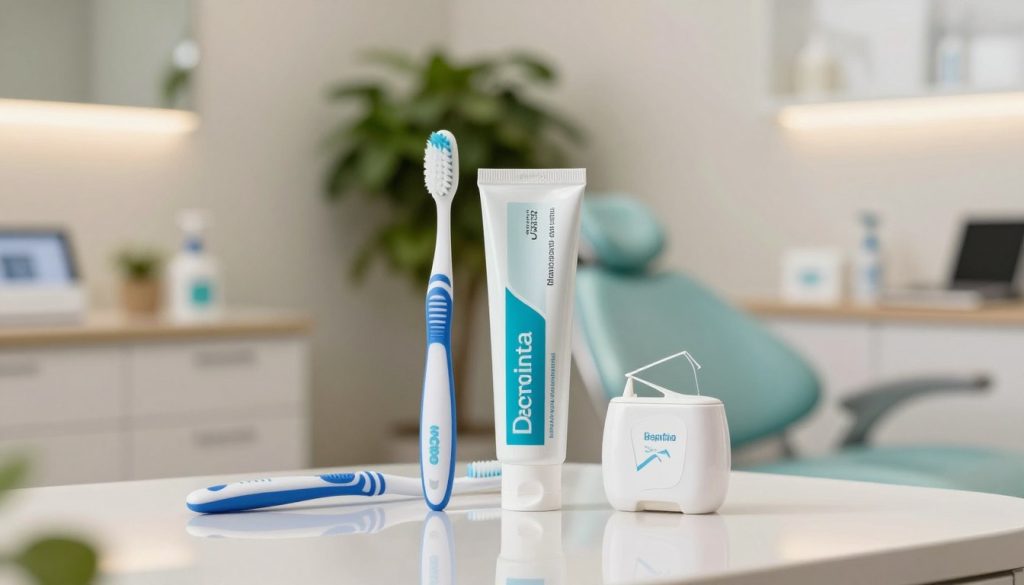
    A well-organized dental hygiene package displayed prominently in the foreground, featuring a stylish toothbrush, eco-friendly toothpaste, and a floss dispenser, all arranged on a clean, reflective surface. In the middle ground, a subtle backdrop of a calming dental office with greenery, soft lighting, and sleek furniture, suggesting a fresh and inviting atmosphere. The lighting is soft and warm, creating an inviting feel that emphasizes cleanliness and care. The angle is slightly elevated to provide a comprehensive view of the products while capturing the professional tone of the setting. The overall mood is bright and optimistic, conveying the importance of affordable dental hygiene and encouraging regular teeth cleaning as a valuable investment in health.

    As the American Dental Association emphasizes, “Regular dental cleanings are essential for maintaining good oral health.” Professional cleanings can help prevent conditions like gingivitis and periodontitis, which can lead to tooth loss if left untreated. By investing in regular cleanings, you’re not only ensuring a healthier smile but also contributing to your overall health.

    Health Benefits of Professional Dental Cleanings

    Professional dental cleanings offer numerous health benefits. They help remove plaque and tartar that can lead to gum disease, reducing the risk of infections and inflammation. Regular cleanings can also help detect oral health issues early, making treatments more effective and less costly.

    Long-term Cost Savings of Preventive Dental Care

    While the initial cost of regular teeth cleaning might seem like an expense, it’s actually an investment in long-term cost savings. By preventing oral health issues through regular cleanings, you can avoid more costly procedures like root canals, dental implants, or even heart disease treatments that have been linked to poor oral health. Many dental offices offer low-cost teeth cleaning promotions or economical dental hygiene packages that can make regular cleanings more affordable.

    How to Find Cheap Teeth Cleaning Offers in Your Area

    Finding affordable teeth cleaning services can be a daunting task, but with the right approach, you can save money without compromising on quality. To get started, it’s essential to take a strategic approach to locating the best deals on teeth cleaning services.

    Step 1: Research Local Dental Providers

    The first step in finding cheap teeth cleaning offers is to research local dental providers. You can start by asking friends, family, or coworkers for recommendations. Additionally, online review sites like Yelp or Google Reviews can provide valuable insights into the quality and pricing of local dental offices.

    Step 2: Compare Prices and Services

    Once you have a list of potential dental providers, it’s time to compare their prices and services. Create a table to help you organize the information:

    Dental Provider Teeth Cleaning Cost Additional Services
    Smile Dental $75 X-rays, fluoride treatment
    Dream Smiles $90 Free consultation, whitening options
    Local Dentist $60 Discounts for seniors, payment plans

    This comparison will help you identify the most cost-effective teeth cleaning packages.

    Step 3: Ask About New Patient Specials

    Many dental offices offer special discounts for new patients. When you call to schedule an appointment, be sure to ask about any current promotions. Some offices may offer discounts on teeth cleaning or other services for first-time patients.

    By following these steps, you can find the best deals on teeth cleaning in your area and maintain a healthy, beautiful smile without breaking the bank.

    Affordable Alternatives to Traditional Dental Offices

    Beyond traditional dental offices, there are several affordable alternatives that offer cheap teeth cleaning offers. These options can be particularly helpful for individuals without dental insurance or those looking to save on out-of-pocket expenses.

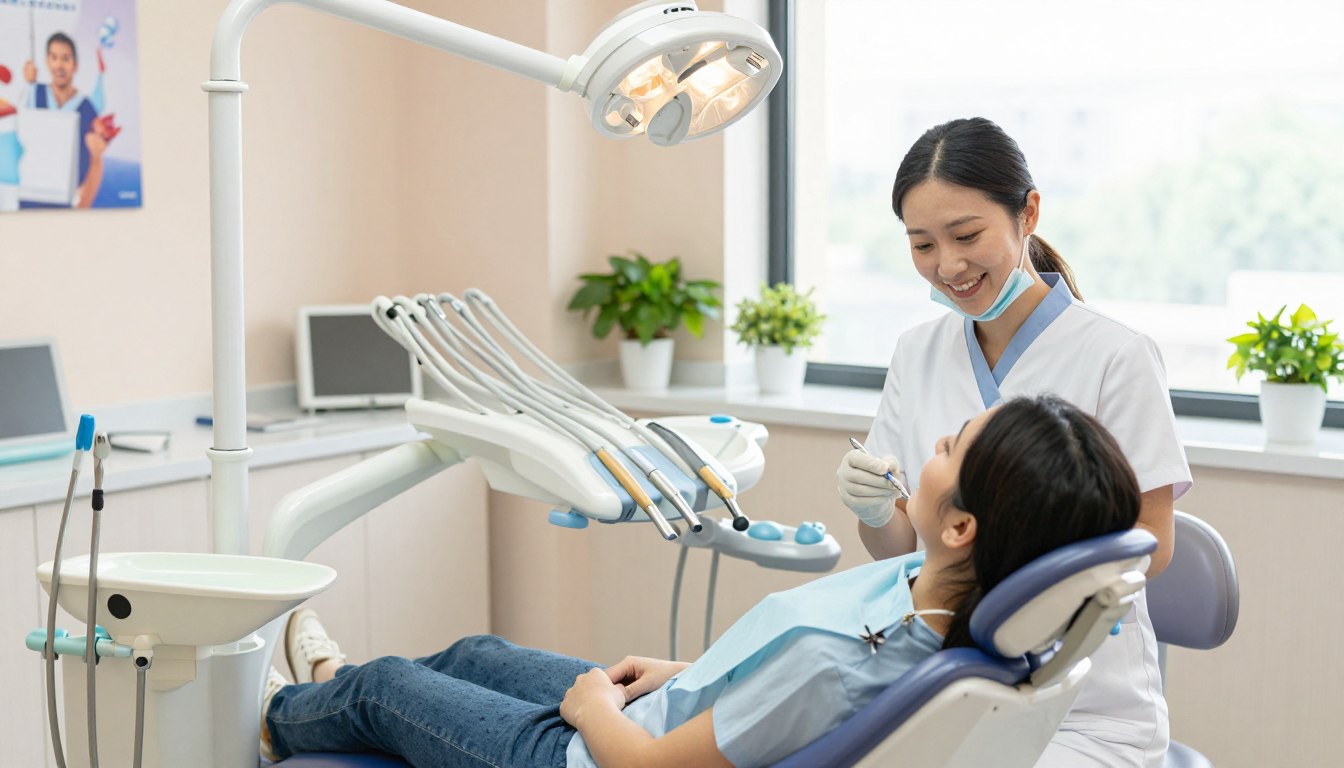
    A serene dental clinic environment showcasing affordable dental care alternatives. In the foreground, a friendly dental hygienist in professional attire utilizes modern, high-quality dental tools on a patient in a comfortable dental chair. The middle features a clean, welcoming reception area with posters advertising low-cost dental programs and affordable teeth cleaning options. The background includes soft, diffused lighting illuminating the space, with calming colors like light blue and white contributing to a relaxed atmosphere. A large window allows natural light to flood the area, creating an inviting and reassuring environment. The scene should evoke feelings of trust and accessibility, highlighting the concept of affordable dental care.

    Dental Schools and Teaching Clinics

    Dental schools and teaching clinics provide affordable oral health discounts as part of their clinical education programs. Here, supervised dental students offer various treatments, including teeth cleaning, at reduced rates. For example, a study found that patients who received dental care at a university clinic reported high satisfaction rates with the care provided.

    “The quality of care was excellent, and the cost was significantly lower than what I would have paid at a traditional dental office.”

    — Patient at a University Dental Clinic

    Community Health Centers

    Community health centers often provide dental services, including teeth cleaning, on a sliding fee scale based on income. These centers are a vital resource for low-income individuals and families seeking cheap teeth cleaning offers. A table comparing the costs at community health centers versus traditional dental offices is shown below:

    Service Community Health Center Traditional Dental Office
    Teeth Cleaning $50-$100 $100-$250
    X-ray $20-$50 $50-$150

    Nonprofit Dental Organizations

    Some nonprofit organizations offer dental care services, including free or low-cost teeth cleaning. These organizations may operate out of fixed clinics or mobile dental vans. They provide essential care to underserved populations and can be a valuable resource for those seeking affordable oral health discounts.

    • Donated Dental Services (DDS)
    • Remote Area Medical (RAM)
    • Smile Programs

    By exploring these alternatives, individuals can access necessary dental care while staying within their budget.

    Taking Advantage of Seasonal Cheap Teeth Cleaning Offers

    The end of the year is a strategic time to schedule a teeth cleaning, as many dental practices offer special promotions to utilize remaining insurance benefits. By understanding how to capitalize on these seasonal offers, patients can maintain their oral health without straining their budget.

    End-of-Year Insurance Benefits Strategy

    One of the most effective ways to save on teeth cleaning is by leveraging end-of-year insurance benefits. Many dental insurance plans have a “use-it-or-lose-it” policy for annual benefits, encouraging patients to schedule appointments before the year ends.

    Maximizing Dental Insurance Coverage

    To maximize dental insurance coverage, patients should review their policy details and schedule a cleaning if they haven’t already met their annual deductible or have remaining benefits. It’s essential to understand what services are covered and to what extent.

    Flexible Spending Account Tips

    For those with Flexible Spending Accounts (FSAs), it’s crucial to use the funds allocated for dental care before the deadline, typically year-end. FSAs can be a valuable tool for managing out-of-pocket expenses for dental services.

    Holiday and Special Promotion Periods

    Dental offices often launch holiday-themed promotions or special discounts during festive periods. Patients can benefit from these offers by staying informed through newsletters, social media, or direct mailers from local dental practices.

    Promotion Period Typical Offers
    National Dental Hygiene Month (October) Discounts on deep cleanings, free consultations
    Black Friday and Cyber Monday Discounts on cosmetic dentistry, bundled service packages
    End-of-Year Clearance Discounts on remaining insurance benefits, special financing options

    By staying vigilant for these seasonal offers and understanding how to maximize insurance benefits, patients can enjoy budget-friendly oral hygiene specials while maintaining their oral health.

    How to Evaluate Dental Discount Plans and Memberships

    Navigating the world of dental discount plans and memberships requires careful consideration to ensure you’re getting the best value. These plans can offer significant savings on dental care, including economical dental hygiene packages and cost-effective teeth cleaning packages. However, it’s essential to understand the details of each plan to make an informed decision.

    Step 1: Understand Plan Coverage Options

    The first step in evaluating dental discount plans is to understand what services are covered. Look for plans that include the services you need most, such as routine cleanings, fillings, or extractions. Some plans may offer discounts on more complex procedures like crowns or root canals. According to a recent survey, “70% of patients reported saving money on dental care through discount plans” (

    Source: American Dental Association

    ).

    Service Plan A Plan B
    Routine Cleaning 20% off 30% off
    Fillings 15% off 25% off
    Crowns 10% off 20% off

    Step 2: Calculate Potential Savings

    To determine if a dental discount plan is right for you, calculate the potential savings. Compare the annual cost of the plan to the discounts you’ll receive on your dental care. For example, if you need a routine cleaning that costs $100, a 20% discount will save you $20. Consider your average annual dental expenses to determine if the plan will save you money.

    A modern, informative comparison chart featuring various dental discount plans and memberships, prominently displayed in the foreground. Include visual elements like graphs or icons representing cost savings and benefits, with a focus on dental services such as teeth cleaning. In the middle ground, consider a professional, diverse group of individuals in business casual attire thoughtfully analyzing the chart, looking engaged and attentive. The background should be a bright, clean dentist's office setting with dental tools neatly arranged, creating an inviting and trustworthy atmosphere. Use soft, natural lighting to enhance the mood, capturing a sense of clarity and professionalism, with a slightly shallow depth of field to emphasize the comparison chart and the individuals interacting with it.

    Step 3: Review Provider Networks

    Finally, review the provider network associated with the dental discount plan. Ensure that there are dentists in your area who participate in the plan. You can usually find this information on the plan’s website or by contacting their customer service. A plan with a robust network of providers will give you more flexibility in choosing your dental care.

    By following these steps, you can make an informed decision about whether a dental discount plan or membership is right for you. Remember to carefully review the terms and conditions of any plan before enrolling.

    Maintaining Oral Health Between Professional Cleanings

    Maintaining good oral health between professional cleanings is crucial for a healthy smile and overall well-being. Regular at-home care can significantly reduce the risk of dental problems and ensure that your teeth and gums remain healthy.

    Essential At-Home Dental Care Routine

    An effective at-home dental care routine is the cornerstone of good oral health. This includes brushing your teeth at least twice a day with fluoride toothpaste, daily flossing to remove plaque and food particles, and rinsing with an antibacterial mouthwash to kill bacteria.

    Brushing Technique: Use a soft-bristled toothbrush and gentle circular motions to clean all surfaces of your teeth. Replace your toothbrush every three to four months or sooner if the bristles become frayed.

    Budget-Friendly Oral Hygiene Products

    Maintaining oral health doesn’t have to break the bank. There are many budget-friendly oral hygiene products available that are effective and affordable.

    Effective Low-Cost Toothpastes and Brushes

    Look for toothpastes that carry the American Dental Association (ADA) Seal of Acceptance, which indicates that they meet dental health standards. For toothbrushes, consider affordable options like store-brand or generic soft-bristled brushes.

    Affordable Flossing and Rinsing Options

    Flossing is crucial for removing plaque and food particles between teeth. Opt for affordable floss or interdental brushes. For mouthwash, choose an antibacterial rinse that is ADA-approved to help reduce plaque and gingivitis.

    Conclusion: Balancing Affordability and Quality in Dental Care

    Maintaining good oral health doesn’t have to break the bank. By exploring cheap teeth cleaning offers and affordable oral health discounts, individuals can access necessary dental care without compromising on quality.

    Regular teeth cleaning is a crucial aspect of preventive dental care, offering numerous health benefits and long-term cost savings. By understanding the factors that influence dental cleaning prices and taking advantage of affordable alternatives, individuals can prioritize their oral health.

    To make informed decisions, it’s essential to research local dental providers, compare prices, and ask about new patient specials. Additionally, considering dental discount plans and memberships can help reduce costs. By balancing affordability with quality, individuals can enjoy a healthier smile without straining their finances.

    Ultimately, prioritizing oral health is a worthwhile investment. By being proactive and exploring available options, individuals can maintain a healthy, beautiful smile while staying within their budget.

    FAQ

    What are some ways to find affordable teeth cleaning services?

    You can find affordable teeth cleaning services by researching local dental providers, comparing prices, and asking about new patient specials, dental discount plans, and membership programs.

    Are dental schools a good option for cheap teeth cleaning?

    Yes, dental schools and teaching clinics can offer affordable teeth cleaning services as part of their clinical training programs, often at a lower cost than traditional dental offices.

    How can I take advantage of end-of-year insurance benefits for dental cleaning?

    To maximize end-of-year insurance benefits, review your dental insurance coverage, schedule a cleaning before the year’s end if possible, and consider using flexible spending accounts for dental expenses.

    What are some budget-friendly oral hygiene products I can use at home?

    You can maintain good oral hygiene at home with affordable products such as effective low-cost toothpastes and brushes, and affordable flossing and rinsing options.

    Can community health centers provide discounted teeth cleaning services?

    Yes, community health centers often offer dental services, including teeth cleaning, at discounted rates or based on income level, making them a valuable resource for affordable oral care.

    How do I evaluate a dental discount plan to ensure it’s a good deal?

    To evaluate a dental discount plan, understand the plan’s coverage options, calculate your potential savings, and review the provider network to ensure it includes dentists in your area.

    Are there any seasonal promotions or specials for teeth cleaning services?

    Yes, many dental offices offer promotions or specials during holidays or at the end of the year, so it’s a good idea to check with local providers for any available discounts or deals.

    How often should I have my teeth professionally cleaned?

    The frequency of professional teeth cleaning depends on your oral health needs, but generally, it’s recommended to have a cleaning every six months to maintain good oral hygiene.

    Can I negotiate the price of teeth cleaning services with my dentist?

    While negotiating prices is not always an option, you can ask your dentist about any available discounts, promotions, or payment plans that might make the service more affordable.
  • Discover Top Affordable Dental Deals Near Me

    Discover Top Affordable Dental Deals Near Me

    Are you tired of delaying dental care due to high costs? Many individuals struggle to maintain good oral health because of the expensive dental care costs.

    Finding cheap dental services can be a game-changer. But the question remains: where can you find reliable and affordable dental care?

    The good news is that there are numerous options available for those seeking affordable dental service deals. By exploring these options, you can maintain a healthy smile without breaking the bank.

    Key Takeaways

    • Understanding the importance of affordable dental care
    • Exploring options for cheap dental services
    • Learning how to find reliable dental deals near you
    • Discovering ways to maintain good oral health on a budget
    • Identifying the benefits of affordable dental service deals

    Understanding the Landscape of Dental Costs in America

    America faces a dental care crisis, with costs soaring and leaving a significant portion of the population without adequate access to dental services. The complexity of dental procedures, the cost of materials, and the impact of insurance coverage gaps all contribute to the high expenses associated with dental care.

    Why Dental Care Is Often Expensive

    Dental care involves intricate procedures that require specialized training and equipment, contributing to its high cost. The use of advanced materials and technologies, such as digital X-rays and dental implants, also adds to the expense. Furthermore, the cost of maintaining a dental practice, including staff salaries and facility upkeep, is substantial.

    The complexity of dental procedures is a significant factor. Procedures like root canals, crowns, and dental implants require precision and expertise, driving up costs. Additionally, the cost of dental materials has increased over the years, affecting the overall price of dental care.

    The Impact of Dental Insurance Coverage Gaps

    Dental insurance is not as comprehensive as health insurance in many cases, leading to coverage gaps that leave patients with significant out-of-pocket expenses. Many dental insurance plans do not cover major procedures or have annual limits, forcing patients to pay out of pocket for necessary treatments.

    The gaps in dental insurance coverage can lead to delayed or foregone care, exacerbating oral health issues. Patients may opt for cheaper, less effective treatments or avoid dental visits altogether due to cost concerns.

    The Growing Trend of Dental Discount Programs

    In response to the high costs of dental care and insurance coverage gaps, dental discount programs have gained popularity. These programs offer discounted rates on dental services in exchange for an annual fee, providing an alternative to traditional insurance.

    Dental discount plans, also known as dental savings plans, can offer significant savings on a range of dental services, from routine cleanings to complex surgeries. By joining a dental discount program, individuals and families can access necessary dental care at a more affordable price.

    How to Find Affordable Dental Service Deals Near Me

    In the quest for affordable dental services, knowing where to look is half the battle. With the rising costs of dental care, it’s essential to explore various options that can provide quality services at a lower price.

    Using Online Search Tools and Directories

    The internet is a powerful tool for finding affordable dental care. Online directories and search tools can help you locate dental clinics near you that offer competitive pricing.

    Best Websites and Apps for Dental Deal Hunting

    Several websites and apps specialize in helping consumers find affordable dental services. Some of the top resources include:

    • Healthgrades: A platform that allows you to compare dental professionals based on their credentials, patient reviews, and pricing.
    • Zocdoc: An app that enables you to find dentists in your area and book appointments online, often with special discounts for new patients.
    • DentalCompare: A website that provides a comprehensive directory of dentists and dental clinics, along with patient reviews and ratings.

    A welcoming dental office reception area showcasing various promotional materials for affordable dental service deals. In the foreground, a friendly dental assistant in professional attire is arranging colorful brochures that highlight special offers on teeth cleanings, check-ups, and cosmetic procedures. The middle ground features a comfortable waiting area with modern furniture, potted plants, and informative posters about dental health. In the background, sunlight streams through large windows, creating a bright and inviting atmosphere. The overall mood is positive and inviting, conveying a sense of accessibility and care. The image is shot at eye level with soft, natural lighting to enhance the welcoming feeling, encouraging viewers to explore affordable dental options nearby.

    Leveraging Dental School Clinics for Reduced Rates

    Dental school clinics offer a cost-effective alternative for dental care. These clinics are associated with dental schools and are staffed by supervised students.

    By choosing a dental school clinic, you not only save money but also contribute to the training of future dentists.

    Exploring Community Health Centers

    Community Health Centers (CHCs) provide healthcare services, including dental care, to underserved populations. These centers offer affordable dental services, often on a sliding fee scale based on income.

    To find a CHC near you, you can visit the Health Resources and Services Administration (HRSA) website and use their Find a Health Center tool.

    Taking Advantage of New Patient Specials

    Many dental practices offer special discounts and promotions for new patients. These can include discounted or free services like exams, X-rays, and cleanings.

    To take advantage of these deals, it’s essential to ask about any ongoing promotions when you call to schedule your appointment. Some practices also advertise their specials on their websites or social media channels.

    By exploring these options and being proactive, you can find affordable dental service deals that fit your budget and meet your dental needs.

    Types of Dental Discount Programs Worth Considering

    For many, the cost of dental care can be a significant burden, but various discount programs can provide relief. These programs are designed to make dental services more affordable, ensuring that individuals and families can maintain good oral health without breaking the bank.

    Dental Discount Cards: How They Work

    Dental discount cards operate similarly to membership programs, offering discounted rates on dental services at participating providers. These cards are not insurance, but they can significantly reduce out-of-pocket expenses for dental care. By joining a dental discount card program, individuals can access a network of dentists who offer discounted services, often with savings on procedures such as cleanings, fillings, and extractions.

    To use a dental discount card, simply present the card at the dentist’s office to receive the discounted rate. The discounts can vary widely depending on the program and the provider, so it’s essential to review the terms and conditions before joining.

    Dental Savings Plans vs. Traditional Insurance

    Dental savings plans and traditional insurance serve the same ultimate purpose – to make dental care more affordable. However, they operate in different ways. Dental savings plans offer discounts on dental services in exchange for an annual or monthly fee, whereas traditional insurance involves premiums, deductibles, and coverage limits.

    Comparing Costs and Benefits

    When comparing dental savings plans to traditional insurance, consider the following factors: cost, coverage, and flexibility. Dental savings plans can be more cost-effective for those who don’t need extensive dental work, as they often have lower annual fees compared to insurance premiums. However, traditional insurance may be more beneficial for those with significant dental needs, as it typically covers a broader range of services and may offer more comprehensive coverage.

    Features Dental Savings Plans Traditional Insurance
    Cost Annual or monthly fees Premiums, deductibles
    Coverage Discounts on services Covers various services, with limits
    Flexibility Can be used with any dentist Limited to in-network providers

    Membership Programs at Local Dental Practices

    Some dental practices offer membership programs that provide discounted services to members. These programs can be highly beneficial, as they often include regular check-ups, cleanings, and other preventive care services at a reduced rate. Membership programs are typically tailored to the specific needs of the practice’s patients, offering a personalized approach to dental care.

    Government and Non-Profit Assistance Programs

    For those who qualify, government and non-profit assistance programs can provide significant support. Programs such as Medicaid and the Children’s Health Insurance Program (CHIP) offer dental coverage to eligible individuals and families. Additionally, non-profit organizations may provide access to affordable dental care through volunteer dentists and clinics.

    By exploring these various dental discount programs, individuals can find the option that best suits their needs and budget, ensuring they receive the dental care they need without financial strain.

    Maximizing Value from Your Dental Visits

    To make the most of your dental visits, it’s essential to be informed and proactive. By adopting a few strategic approaches, you can ensure that you’re getting the best possible care while managing costs effectively.

    Preventive Care Strategies That Save Money

    Preventive dental care is the cornerstone of maintaining good oral health and avoiding costly procedures down the line. Regular check-ups and cleanings can help identify potential issues early, reducing the need for more extensive treatments. By prioritizing preventive care, you can save money and protect your oral health.

    Some effective preventive care strategies include:

    • Brushing your teeth at least twice a day with fluoride toothpaste
    • Flossing daily to remove plaque and food particles
    • Using an antibacterial mouthwash to reduce plaque and gingivitis
    • Visiting your dentist regularly for check-ups and cleanings

    Negotiating Prices and Payment Plans

    Don’t be afraid to discuss costs with your dentist. Many dental practices are open to negotiating prices or offering payment plans to help make care more affordable. It’s worth asking about any available discounts or financing options.

    Scripts and Phrases That Get Results

    When discussing costs, having a few key phrases at your disposal can be helpful. For example, you might say, “I’m on a tight budget this month. Can you offer any discounts or payment plans?” or “I’ve been a loyal patient for years. Can we discuss any options for reducing the cost of my treatment?”

    Timing Your Dental Procedures Strategically

    The timing of your dental procedures can also impact your costs. For non-emergency treatments, consider scheduling them during off-peak times or at the end of the year when dentists may offer special promotions or discounts.

    A bright and inviting dental office interior, focusing on a polished wooden table in the foreground with a modern laptop displaying a colorful infographic about dental payment plans. To the left, an aesthetically arranged folder containing brochures on affordable dental care options. In the middle ground, a friendly female dentist in a white coat and professional attire, engaged in a discussion with a patient, illustrating an atmosphere of trust and professionalism. The background features vibrant dental charts and a soothing green plant, enhancing the welcoming vibe. Soft, natural lighting floods the space through a large window, creating a warm and approachable ambiance. The perspective is slightly angled, emphasizing the interaction while capturing the essence of maximizing value in dental visits.

    Understanding What Treatments Are Truly Necessary

    Not all recommended treatments are equally necessary. It’s crucial to have an open discussion with your dentist about the necessity of each procedure. Ask questions like, “What are the consequences of not having this treatment?” or “Are there any alternative treatments available?” to ensure you’re making informed decisions about your care.

    By implementing these strategies, you can maximize the value of your dental visits, ensuring that you receive the care you need while managing your expenses effectively.

    Conclusion: Achieving Affordable Dental Health Without Compromising Quality

    Achieving good oral health doesn’t have to break the bank. By understanding the landscape of dental costs and exploring affordable options, individuals can access quality dental care without compromising on their financial stability.

    From leveraging dental discount programs and community health centers to negotiating prices and prioritizing preventive care, there are numerous strategies for making dental health more affordable. By taking control of their dental health, individuals can enjoy a healthier smile and overall well-being.

    Quality dental care is within reach when you know where to look. By combining the right resources and a proactive approach, you can maintain affordable dental health and a bright, healthy smile for years to come.

    FAQ

    What are dental discount programs?

    Dental discount programs are plans that offer discounted rates on dental services for a monthly or annual fee, helping make dental care more affordable.

    How do dental discount cards work?

    Dental discount cards provide access to a network of dentists who offer discounted services to cardholders, with savings typically ranging from 10% to 60% off regular prices.

    Are dental savings plans the same as traditional insurance?

    No, dental savings plans are not the same as traditional insurance; they offer discounts on dental services without the complexities and limitations of traditional insurance plans.

    Can I use online search tools to find affordable dental deals?

    Yes, online search tools and directories can help you find affordable dental services in your area, including dentists who offer discounts or participate in dental discount programs.

    What are new patient specials, and how can I take advantage of them?

    New patient specials are promotions offered by dental practices to attract new patients, often including discounted rates or free services; you can take advantage of them by searching online or calling local dentists to inquire about current offers.

    How can I maximize value from my dental visits?

    To maximize value, focus on preventive care, negotiate prices and payment plans when possible, time your dental procedures strategically, and understand which treatments are truly necessary.

    Are there government and non-profit assistance programs for dental care?

    Yes, there are government and non-profit assistance programs that can help make dental care more affordable, including Medicaid, community health centers, and non-profit organizations that offer dental care services.

    How do dental school clinics offer affordable dental care?

    Dental school clinics offer affordable dental care by providing services at reduced rates, as procedures are performed by supervised dental students who are training to become dentists.
  • Stunning Before and After Cosmetic Dentistry Results

    Stunning Before and After Cosmetic Dentistry Results

    Can a simple smile transformation change your life? For many, the answer is yes. Cosmetic dentistry has the power to boost confidence, enhance appearance, and even improve overall oral health.

    A smile makeover can be a life-changing experience, and the results can be truly stunning. With advancements in dental technology and techniques, achieving the perfect smile is now more accessible than ever.

    The transformative power of cosmetic dentistry is not just about aesthetics; it’s also about creating a healthier, more functional smile.

    Key Takeaways

    • A smile makeover can boost confidence and enhance appearance.
    • Cosmetic dentistry can improve overall oral health.
    • Advancements in dental technology have made achieving the perfect smile more accessible.
    • A smile transformation can be a life-changing experience.
    • Cosmetic dentistry is not just about aesthetics, but also about creating a healthier smile.
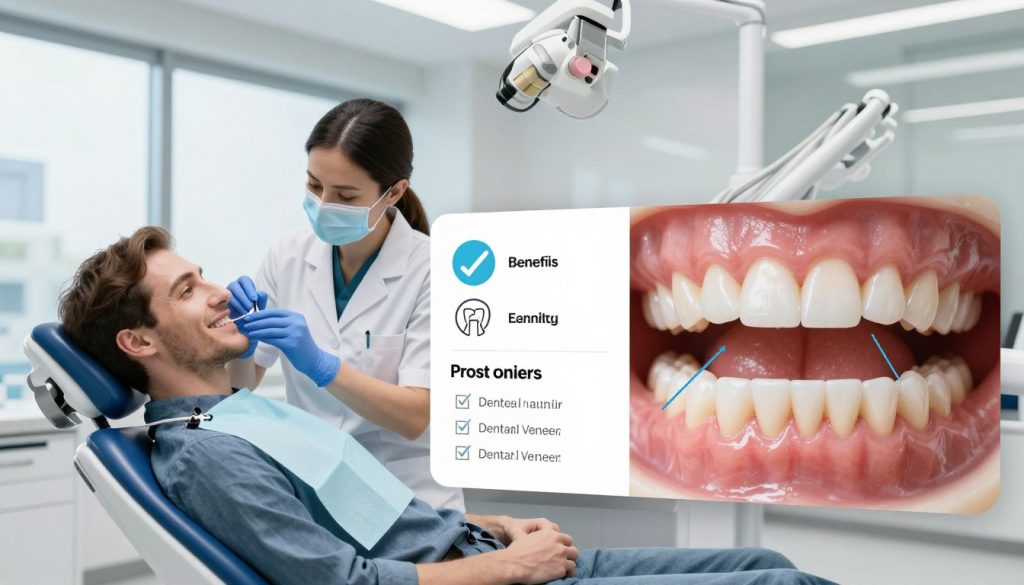
    The Power of Cosmetic Dentistry Transformations

    Cosmetic dentistry has the power to transform not just smiles, but lives. By addressing various dental issues, individuals can experience a significant boost in their confidence and overall well-being. Smile transformation pictures often showcase dramatic before-and-after results, highlighting the potential of cosmetic dentistry.

    How Dental Aesthetics Impact Confidence and Well-being

    Dental aesthetics play a crucial role in how we perceive ourselves and how others perceive us. A beautiful, healthy smile can enhance one’s self-esteem and confidence, making a significant difference in personal and professional interactions. Studies have shown that individuals with attractive smiles are often perceived as more successful and trustworthy.

    Common Dental Issues That Can Be Transformed

    Cosmetic dentistry can address a variety of dental issues, including discoloration, misalignment, and gaps between teeth. Procedures such as teeth whitening, veneers, and dental bonding can correct these issues, leading to a more uniform and appealing smile. Dental makeover before and after examples demonstrate the transformative power of these treatments.

    The Emotional Journey of Smile Transformation

    The journey to a transformed smile is not just physical; it’s also emotional. Patients often report feeling more confident and happier after their cosmetic dentistry procedures. The process can be life-changing, enhancing not just the smile, but the individual’s overall quality of life. With teeth enhancement before and after results, individuals can see the tangible outcomes of their journey.

    Popular Cosmetic Dental Procedures Explained

    From subtle enhancements to complete smile makeovers, cosmetic dentistry offers numerous solutions tailored to individual needs. With a range of procedures available, patients can choose the treatments that best suit their aesthetic goals and dental requirements.

    Professional Teeth Whitening Methods and Results

    Teeth whitening is one of the most popular cosmetic dental procedures, offering a quick and effective way to brighten one’s smile. Professional teeth whitening treatments use high-grade bleaching agents to remove stains and discoloration, resulting in a significantly whiter smile. The results can last for several years with proper care.

    Porcelain Veneers for Complete Smile Makeovers

    Porcelain veneers are thin, custom-made shells designed to cover the front surface of teeth, improving their appearance. They are an ideal solution for those looking to correct misaligned, discolored, or uneven teeth. Veneers are durable and can provide a long-lasting, natural-looking smile transformation.

    A modern dental clinic interior, showcasing a professional dentist performing cosmetic dental procedures on a patient. In the foreground, a smiling patient sits in a dental chair, wearing a light blue dental bib, while the dentist, dressed in white scrubs and a mask, carefully examines the patient's teeth with high-tech dental tools. The middle ground features a well-organized dental cart with various instruments and teeth whitening materials. The background includes bright, clinical lighting and a large window allowing natural light to illuminate the scene, enhancing the clean and inviting atmosphere. The mood conveys professionalism and care, ideal for showcasing popular cosmetic dental procedures.

    Dental Bonding for Quick Aesthetic Improvements

    Dental bonding involves the application of a tooth-colored resin to repair or enhance the appearance of teeth. This procedure is quick and painless, making it an attractive option for those seeking immediate aesthetic improvements. Bonding can be used to fix chipped teeth, close gaps, or change the shape of teeth.

    Dental Implants and Crowns for Structural Restoration

    Dental implants and crowns are used not only for aesthetic purposes but also to restore the structural integrity of teeth. Dental implants are a long-term solution for missing teeth, while crowns can cap damaged teeth, enhancing both their function and appearance.

    Invisalign and Modern Orthodontic Solutions

    Invisalign is a modern orthodontic treatment that uses clear, removable aligners to straighten teeth. It’s a discreet and comfortable alternative to traditional braces, suitable for both teens and adults looking to improve their smile without the aesthetic drawbacks of metal orthodontics.

    Procedure Purpose Benefits
    Teeth Whitening Brightens smile Quick, effective, long-lasting results
    Porcelain Veneers Corrects misaligned or discolored teeth Durable, natural-looking
    Dental Bonding Repairs or enhances teeth appearance Quick, painless
    Dental Implants/Crowns Restores structural integrity Long-term solution, enhances function and appearance
    Invisalign Straightens teeth discreetly Comfortable, removable, aesthetically pleasing

    Remarkable Before and After Cosmetic Dentistry Results

    Before and after photos of cosmetic dentistry patients reveal the dramatic potential of modern dental techniques. These transformations are not just about aesthetics; they often significantly impact a person’s confidence and overall quality of life.

    Dramatic Full-Mouth Reconstructions

    Full-mouth reconstructions are among the most transformative cosmetic dentistry procedures. They involve a comprehensive approach to restoring the health, function, and appearance of a patient’s mouth. These reconstructions can completely overhaul a person’s smile, addressing issues such as tooth decay, gum disease, and tooth wear. The before and after results of such procedures are often nothing short of remarkable, with patients experiencing a renewed sense of confidence in their smile.

    Subtle Enhancements That Make Big Differences

    Not all cosmetic dentistry transformations are dramatic. Sometimes, it’s the subtle enhancements that make the biggest difference. Minor adjustments to the shape, color, or alignment of teeth can significantly enhance a person’s smile without undergoing a full-mouth reconstruction. These subtle changes can brighten a person’s appearance and boost their self-esteem, demonstrating the nuanced power of cosmetic dentistry.

    Correcting Specific Dental Issues with Targeted Treatments

    Cosmetic dentistry offers a range of targeted treatments designed to address specific dental issues. For instance, dental bonding can repair chipped or cracked teeth, while porcelain veneers can correct misaligned or discolored teeth. Dental implants provide a durable solution for missing teeth, restoring both the function and appearance of a patient’s smile. By choosing the right treatment, patients can achieve significant improvements in their dental health and aesthetics.

    The remarkable before and after results seen in cosmetic dentistry underscore the field’s potential to transform not just smiles, but lives. Whether through dramatic full-mouth reconstructions or subtle enhancements, cosmetic dentistry offers a pathway to improved oral health and enhanced personal confidence.

    What to Expect During Your Cosmetic Dentistry Journey

    Before and after cosmetic dentistry results can be stunning, but it’s essential to know what to expect during the transformation process. A cosmetic dentistry transformation is a personalized experience that involves several steps, from the initial consultation to the final reveal.

    The Initial Consultation and Treatment Planning

    The journey begins with an initial consultation, where your dentist will assess your dental health and discuss your aesthetic goals. This stage is crucial for creating a tailored treatment plan that addresses your specific needs.

    During this consultation, your dentist will explain the available options, including professional teeth whitening, porcelain veneers, and other procedures. This is your opportunity to ask questions and understand the process.

    The Procedure Experience: Comfort and Timeline

    The procedure experience varies depending on the treatment. Some procedures, like teeth whitening, are quick and straightforward, while others, such as dental implants, may require multiple visits.

    A before-and-after comparison of a smiling person showcasing a stunning cosmetic dentistry transformation. In the foreground, the "before" image depicts the subject with slightly crooked teeth and a neutral expression, dressed in professional business attire. In contrast, the "after" image shows the same individual beaming with a perfect, bright smile, highlighting the dental work, wearing elegant yet modest casual clothing. The background features a soft-focus dental clinic setting with calming colors, emphasizing a clean and welcoming atmosphere. Warm, natural lighting casts a gentle glow on the subject's face, enhancing the inviting mood. A close-up angle captures the transformation beautifully, allowing viewers to appreciate the dramatic difference in dental aesthetics while maintaining a professional tone throughout.

    Recovery and Adjustment Period

    After the procedure, there may be a recovery and adjustment period. The length of this period depends on the type of treatment. Your dentist will provide guidance on how to care for your teeth during this time.

    When You’ll See Final Results

    The timeline for seeing final results varies. Some treatments provide immediate results, while others may take several weeks or months to fully manifest. Your dentist will give you a clear timeline based on your treatment plan.

    Understanding the process and timeline helps manage expectations and ensures a smooth journey to your new smile.

    How to Maintain Your Stunning Smile Transformation

    A stunning smile transformation is just the beginning; ongoing maintenance is crucial. To ensure your smile continues to dazzle, it’s essential to follow a consistent care routine.

    Daily Care Routines for Long-lasting Results

    Daily care is vital for maintaining your smile transformation. This includes brushing your teeth at least twice a day with a fluoride toothpaste and cleaning between your teeth once a day with floss or interdental brushes.

    A simple table to help you remember your daily routine:

    Time Activity Product
    Morning Brush Fluoride Toothpaste
    Evening Brush & Floss Fluoride Toothpaste & Floss

    Professional Maintenance Schedule

    Regular dental check-ups are crucial for maintaining your smile. Schedule visits every six months for a professional cleaning and to catch any potential issues early.

    Protecting Your Investment: Habits to Avoid

    Certain habits can jeopardize your smile transformation, such as smoking, excessive coffee or tea consumption, and using your teeth as tools. Avoiding these habits will help protect your investment in your smile.

    By following these guidelines and being mindful of your daily habits, you can enjoy a lasting smile transformation that continues to boost your confidence and overall well-being.

    Conclusion

    The journey through cosmetic dentistry is a transformative one, as highlighted by the stunning aesthetic dentistry before and after results. These transformations not only enhance the appearance of one’s smile but also significantly boost confidence and overall well-being.

    Dental improvement before and after cosmetic dental work is a testament to the advancements in modern dentistry. With various procedures available, individuals can achieve their desired outcomes, whether it’s through professional teeth whitening, porcelain veneers, or dental implants.

    The cosmetic dental work outcomes can be truly life-changing, providing a renewed sense of self-assurance and a healthier, more radiant smile. By understanding the possibilities and maintaining good oral hygiene practices, individuals can enjoy long-lasting results.

    As seen in the remarkable before and after cosmetic dentistry results, the impact of these transformations can be profound. By embracing the potential of cosmetic dentistry, individuals can unlock a brighter, more confident smile that leaves a lasting impression.

    FAQ

    What is cosmetic dentistry?

    Cosmetic dentistry refers to dental procedures that improve the appearance of teeth, gums, and overall smile. It includes various treatments such as teeth whitening, porcelain veneers, dental bonding, and more.

    How do I know if I’m a good candidate for cosmetic dentistry?

    A good candidate for cosmetic dentistry is someone who is unhappy with the appearance of their teeth or smile. The best way to determine suitability is through a consultation with a qualified cosmetic dentist who can assess your oral health and discuss your aesthetic goals.

    What are the benefits of cosmetic dentistry?

    Cosmetic dentistry can boost confidence, enhance overall appearance, and improve oral health. It can also correct issues such as misaligned teeth, discoloration, and gaps, leading to a more radiant and healthy-looking smile.

    Are cosmetic dentistry procedures painful?

    Most cosmetic dentistry procedures are relatively painless, thanks to modern anesthesia and techniques. Some procedures, like teeth whitening, may cause temporary sensitivity, but this is usually manageable with over-the-counter pain relievers.

    How long do cosmetic dentistry results last?

    The longevity of cosmetic dentistry results varies depending on the procedure, oral hygiene habits, and lifestyle. For example, teeth whitening may need to be repeated every few years, while porcelain veneers can last for 10-20 years or more with proper care.

    Can I get a smile makeover if I have sensitive teeth?

    Yes, individuals with sensitive teeth can still undergo cosmetic dentistry. A qualified dentist will assess your sensitivity and recommend suitable treatments, such as desensitizing toothpaste or gentle procedures, to minimize discomfort.

    How much does cosmetic dentistry cost?

    The cost of cosmetic dentistry varies widely depending on the procedure, location, and dentist’s expertise. It’s best to consult with a cosmetic dentist to get a personalized quote and discuss financing options.

    Will my insurance cover cosmetic dentistry?

    Generally, insurance does not cover cosmetic dentistry procedures unless they are deemed medically necessary. However, some procedures may be partially covered, so it’s essential to check with your insurance provider.

    Can I get cosmetic dentistry if I have dental anxiety?

    Yes, many cosmetic dentists cater to patients with dental anxiety. They may offer sedation dentistry, gentle techniques, or other comfort measures to make the experience more relaxing.
  • Get a Straighter Smile with Cosmetic Dentistry for Crooked Teeth

    Get a Straighter Smile with Cosmetic Dentistry for Crooked Teeth

    Are you tired of hiding your smile due to crooked teeth? Do you dream of having a straighter, more confident smile? You’re not alone. Millions of people worldwide struggle with misaligned teeth, affecting not only their appearance but also their self-esteem.

    Achieving a straighter smile is now more accessible than ever, thanks to advancements in cosmetic dentistry. This article will explore the various options available for correcting crooked teeth, helping you understand what to expect and how to achieve the smile you’ve always wanted.

    Key Takeaways

    • Understanding the causes of crooked teeth
    • Exploring cosmetic dentistry options for correction
    • Learning about the benefits of a straighter smile
    • Discovering the various treatments available
    • Understanding what to expect during the correction process

    Understanding Crooked Teeth and Their Impact

    Understanding the causes and effects of crooked teeth is crucial for achieving a straighter smile. Crooked teeth, or dental misalignment, can result from various factors and have significant implications on both oral health and self-esteem.

    Common Causes of Dental Misalignment

    Dental misalignment can be caused by a combination of genetic, environmental, and lifestyle factors. Some common causes include:

    • Genetics: Inherited traits can play a significant role in the alignment of teeth.
    • Thumb sucking or pacifier use: Prolonged use can exert pressure on the teeth, causing misalignment.
    • Missing teeth: Gaps left by missing teeth can cause surrounding teeth to shift.
    • Oral habits: Habits such as tongue thrusting can also contribute to crooked teeth.

    Physical and Psychological Effects of Crooked Teeth

    Crooked teeth can have both physical and psychological impacts. Physically, they can lead to difficulties in cleaning, which may result in plaque buildup, tooth decay, and gum disease. Psychologically, crooked teeth can affect an individual’s self-confidence and self-esteem, potentially impacting their social interactions and overall quality of life.

    Fortunately, various cosmetic dentistry solutions are available to address crooked teeth, including teeth straightening treatments. By understanding the causes and effects of crooked teeth, individuals can make informed decisions about their oral health and explore the most suitable treatment options.

    Exploring Cosmetic Dentistry for Crooked Teeth

    Cosmetic dentistry offers a range of solutions for individuals with crooked teeth, providing an alternative to traditional orthodontic treatments. This section will delve into the differences between traditional orthodontics and cosmetic approaches, highlighting the benefits of choosing cosmetic solutions.

    Traditional Orthodontics vs. Cosmetic Approaches

    Traditional orthodontics involve the use of braces or clear aligners to physically move teeth into alignment. In contrast, cosmetic dentistry focuses on improving the appearance of crooked teeth without necessarily altering their position. Procedures like porcelain veneers and dental bonding can create the illusion of straighter teeth.

    Benefits of Choosing Cosmetic Solutions

    Cosmetic solutions offer several advantages. Aesthetic advantages include the ability to choose the shape, size, and color of the veneers or bonding material, allowing for a customized smile makeover.

    Aesthetic Advantages

    Cosmetic dentistry provides the flexibility to enhance the appearance of teeth beyond just straightening, offering a comprehensive smile transformation.

    Time Considerations

    Cosmetic procedures are often quicker than traditional orthodontic treatments. For instance, porcelain veneers can be applied in just a few dental visits, making them an attractive option for those seeking rapid results.

    Procedure Duration Aesthetic Outcome
    Porcelain Veneers 2-3 visits Highly customizable
    Dental Bonding 1 visit Natural appearance
    Traditional Orthodontics Months to years Improved alignment

    A modern dental clinic setting showcasing cosmetic dentistry procedures for crooked teeth. In the foreground, a professional dentist in a white lab coat and blue gloves stands beside a dental chair, explaining a treatment plan to a patient, who is comfortably seated and wearing a dental bib. The middle layer features dental tools and a large monitor displaying a digital smile makeover software, highlighting before-and-after images of straightened teeth. In the background, a wall of dental products and a bright window with natural light flooding the room creates an inviting atmosphere. Soft, warm lighting enhances the professionalism of the scene, while a shallow depth of field focuses on the dentist and patient interaction, conveying a sense of trust and care.

    Porcelain Veneers: The Instant Smile Makeover

    Porcelain veneers offer a transformative solution for individuals looking to correct the appearance of crooked teeth without undergoing extensive orthodontic treatment. This cosmetic dentistry option has gained popularity for its ability to provide an instant smile makeover.

    Correcting the Appearance of Misaligned Teeth

    Porcelain veneers are thin layers of ceramic material bonded to the front of teeth to improve their appearance. They can effectively mask minor misalignments, making teeth appear straighter. Unlike clear aligners, which gradually move teeth into alignment, veneers provide an immediate aesthetic solution.

    The Veneer Procedure Step-by-Step

    The process of getting porcelain veneers involves several steps:

    Initial Consultation

    During the first visit, your dentist will assess your teeth and discuss your cosmetic goals to determine if veneers are the right choice for you.

    Preparation and Temporary Veneers

    To prepare your teeth for veneers, your dentist will remove a small amount of enamel. Temporary veneers may be placed to protect your teeth until the permanent veneers are ready.

    Final Placement

    Once your custom veneers are prepared, they will be bonded to your teeth, completing your smile makeover.

    Ideal Candidates for Veneers

    Porcelain veneers are suitable for individuals with minor to moderate tooth misalignment who are looking for a cosmetic solution. Those with severely crooked teeth may require orthodontic treatment before veneers can be considered. It’s essential to consult with a dentist to determine the best course of treatment for your specific needs.

    Dental Bonding: A Quick and Affordable Option

    For individuals seeking a rapid solution to crooked teeth, dental bonding presents a compelling option in the realm of cosmetic dentistry. This procedure involves the application of a tooth-colored resin to correct imperfections, including misalignment.

    The Bonding Process Explained

    Dental bonding is a multi-step process that requires precision and skill. It begins with the preparation of the tooth surface.

    Preparation and Application

    The dentist prepares the tooth by applying a conditioning gel, followed by the application of the bonding material. The resin is then shaped to correct the misalignment.

    Shaping and Polishing

    After applying the resin, the dentist shapes it to match the surrounding tooth structure. The final step involves polishing the bonded area to achieve a natural appearance.

    Durability and Maintenance Considerations

    While dental bonding is durable, it is not as long-lasting as other cosmetic dentistry solutions. Proper care, including regular brushing and avoiding hard foods, can extend its lifespan.

    Procedure Duration Cost
    Dental Bonding 30 minutes to 1 hour per tooth $300 – $600 per tooth
    Porcelain Veneers 2 visits, several weeks apart $925 – $2,500 per veneer
    Clear Aligners Several months to 2 years $2,000 – $8,000 total treatment

    As shown in the table, dental bonding offers a relatively quick and affordable solution compared to other cosmetic dentistry options.

    A bright and modern dental office, featuring a professional dentist in a white lab coat and a patient seated in a dental chair. The dentist gently applies a tooth-colored composite resin to a crooked front tooth, showcasing the dental bonding procedure. The scene is well-lit with soft overhead lights, creating a clean and inviting atmosphere. In the background, dental tools are neatly organized on a counter and a colorful dental chart is visible. The focus is on the precise application of the bonding material, emphasizing the dentist's skillful technique. The image should be captured from a slight angle, highlighting both the dentist's concentration and the patient’s hopeful expression. The overall mood is one of professionalism and comfort, conveying the sense of care and expertise in cosmetic dentistry.

    According to the American Dental Association, “Dental bonding is a versatile and effective solution for various dental issues, including chipped, cracked, or misaligned teeth.”

    “Dental bonding has revolutionized the way we approach cosmetic dentistry, offering patients a fast and efficient path to a more confident smile.”

    Dr. Jane Smith, Cosmetic Dentist

    Clear Aligners: Discreet Teeth Straightening

    Clear aligners have revolutionized the way we approach crooked teeth correction, offering a discreet and effective solution for achieving a straighter smile. This modern orthodontic treatment has gained popularity due to its nearly invisible appearance and comfort.

    How Clear Aligner Therapy Works

    Clear aligner therapy involves wearing a series of custom-made, transparent aligners that gradually shift your teeth into the desired position. Each aligner is designed to be worn for a specific period, typically one to two weeks, before moving on to the next set in the series.

    The Treatment Timeline and Process

    The clear aligner treatment process begins with an initial consultation with a certified dentist or orthodontist.

    Initial Scanning and Treatment Planning

    During this visit, a 3D scan of your teeth is taken to create a precise digital model. This model is used to plan the entire treatment, including the movement of your teeth and the final expected outcome.

    Wearing Schedule and Progress Checks

    You’ll wear each aligner for 20 to 22 hours a day, removing them only for eating, drinking, brushing, and flossing. Regular check-ups with your dentist or orthodontist will monitor your progress and ensure that your treatment is on track.

    Comparing Popular Clear Aligner Options

    Several brands offer clear aligner therapy, including Invisalign and ClearCorrect. While both provide effective treatment, they differ in their approach, cost, and treatment duration. Your dentist or orthodontist can help you decide which option is best for your specific needs.

    Clear aligners offer a convenient, comfortable, and aesthetically pleasing solution for individuals seeking to correct their crooked teeth. By understanding how clear aligner therapy works and what to expect during the treatment process, you can make an informed decision about whether this option is right for you.

    Choosing the Right Cosmetic Solution for Your Smile

    The journey to a straighter smile begins with understanding the various cosmetic dentistry solutions and selecting the one that best suits your needs. With options ranging from porcelain veneers to clear aligners, it’s essential to consider several factors to make an informed decision.

    Factors to Consider When Selecting a Treatment

    When choosing a cosmetic solution, several factors come into play. These include the severity of your misalignment, budget constraints, and timeline expectations.

    Severity of Misalignment

    The degree of your teeth misalignment is a crucial factor in determining the most suitable treatment. For instance, porcelain veneers are ideal for minor misalignments and can provide an instant smile makeover.

    Budget Constraints

    Different cosmetic dentistry solutions come with varying price tags. Understanding your budget will help narrow down the options. For example, dental bonding is generally more affordable than porcelain veneers or clear aligners.

    Timeline Expectations

    Your treatment timeline is another critical factor. If you’re looking for a quick solution, dental bonding or porcelain veneers might be more suitable as they can often be completed in a few visits.

    A bright, modern dental office featuring a professional dentist in a clean, white lab coat, examining a patient’s mouth with a dental mirror. The dentist is a middle-aged female with short brown hair, wearing glasses, while the patient, a young adult male in a light blue shirt, sits comfortably in a dental chair, looking relaxed. In the background, a large dental poster displays various cosmetic dentistry solutions, such as porcelain veneers and Invisalign. Warm, soft lighting creates a welcoming atmosphere, enhancing the cheerful decor with light-colored walls and green plants. The scene captures the contemporary and friendly vibe of cosmetic dentistry, emphasizing the importance of choosing the right solution for achieving a straighter smile.

    Questions to Ask During Your Dental Consultation

    During your consultation, it’s essential to ask the right questions to ensure you’re making an informed decision. Some key questions to consider include: “What are the available treatment options for my condition?” “What are the benefits and drawbacks of each option?” and “What is the expected outcome of the treatment?”

    • What are the available treatment options for my condition?
    • What are the benefits and drawbacks of each option?
    • What is the expected outcome of the treatment?

    Cost Considerations and Financing Options

    Understanding the cost of your chosen treatment and exploring financing options can help make your dream smile more affordable. Many dental practices offer financing plans or accept dental insurance, which can help alleviate the financial burden.

    As

    “A beautiful smile is the best makeup for any face.”

    – This quote emphasizes the importance of a confident, beautiful smile in our lives.

    Conclusion: Your Journey to a Straighter Smile

    Achieving a straighter smile is now more accessible than ever, thanks to advancements in cosmetic dentistry for crooked teeth. Whether you opt for porcelain veneers, dental bonding, or clear aligners, there’s a teeth straightening solution tailored to your needs.

    By understanding the causes and effects of crooked teeth, you can make an informed decision about the best cosmetic dentistry approach for your smile. Consult with a professional to discuss your options and take the first step towards a more confident you.

    With the right treatment, you can enjoy a straighter, more beautiful smile that enhances your overall appearance and boosts your self-esteem. Start your journey today and discover the transformative power of cosmetic dentistry.

    FAQ

    What is cosmetic dentistry?

    Cosmetic dentistry is a branch of dentistry that focuses on improving the appearance of teeth and gums. It includes various procedures such as porcelain veneers, dental bonding, and clear aligners to enhance the aesthetic appeal of one’s smile.

    How do porcelain veneers correct crooked teeth?

    Porcelain veneers are thin layers of ceramic material bonded to the front of teeth to improve their appearance. They can correct the appearance of crooked teeth by covering misalignments and creating a straighter, more uniform smile.

    What is the process of getting dental bonding?

    The dental bonding process involves preparing the tooth, applying a bonding material, shaping it to match the surrounding teeth, and polishing it to a natural finish. It’s a relatively quick and painless procedure.

    How do clear aligners work?

    Clear aligners are custom-made, removable trays that fit over the teeth to gradually move them into a straighter position. They are typically worn for 20-22 hours a day and changed every few weeks to progress through the treatment plan.

    What factors should I consider when choosing a cosmetic dentistry solution?

    When selecting a cosmetic dentistry solution, consider the severity of your misalignment, budget constraints, and timeline expectations. It’s also essential to discuss your options with a dentist to determine the best course of treatment for your specific needs.

    Are cosmetic dentistry procedures painful?

    Most cosmetic dentistry procedures are relatively painless, and any discomfort is usually temporary. Dentists often use local anesthesia or other sedation methods to minimize discomfort during procedures.

    How do I maintain my new smile after cosmetic dentistry?

    To maintain your new smile, practice good oral hygiene, including regular brushing and flossing, and attend scheduled dental check-ups. The longevity of your results will depend on the type of procedure and your oral care habits.

    Can I finance my cosmetic dentistry treatment?

    Many dental offices offer financing options or accept third-party financing plans to help make cosmetic dentistry more affordable. Discuss your financial options with your dentist to determine the best plan for your needs.

    How long does it take to see results from clear aligner therapy?

    The duration of clear aligner therapy varies depending on the complexity of the case and the individual’s treatment plan. Generally, results can be seen within several months to a few years.

    Are there any risks associated with cosmetic dentistry?

    As with any dental procedure, there are potential risks and complications associated with cosmetic dentistry, such as tooth sensitivity or allergic reactions to materials. Discuss these risks with your dentist to understand the potential outcomes.
  • Dental Veneers Pros and Cons Explained

    Dental Veneers Pros and Cons Explained

    Are you considering transforming your smile with a cosmetic dentistry procedure? You’re not alone. Many individuals seek to enhance their appearance through dental veneers, a popular solution for various dental imperfections.

    But what exactly are dental veneers, and are they right for you? Essentially, they are thin layers of material placed over the teeth to improve their appearance. Understanding the advantages and disadvantages of this procedure is crucial before making a decision.

    As you explore the possibility of enhancing your smile, it’s essential to weigh the benefits against the potential drawbacks. This guide will walk you through the key aspects of dental veneers, helping you make an informed decision.

    Key Takeaways

    • Understanding the purpose and benefits of dental veneers.
    • Learning about the potential drawbacks and limitations.
    • Gaining insights into the procedure and what to expect.
    • Discovering how to determine if dental veneers are right for you.
    • Exploring the importance of consulting a professional.

    What Are Dental Veneers?

    Dental veneers are a popular cosmetic dentistry solution, but what exactly are they? In essence, veneers are thin layers of material placed over the teeth to improve their appearance. They are a versatile treatment option for various dental issues.

    Definition and Purpose

    Dental veneers are defined as thin, custom-made shells of porcelain or composite resin that are bonded to the front of teeth. Their primary purpose is to enhance the aesthetic appeal of one’s smile by correcting imperfections such as discoloration, chips, or misalignment. Porcelain veneers are particularly popular due to their durability and natural appearance.

    The process involves a minimal removal of enamel to accommodate the veneer, making it a relatively conservative treatment compared to crowns or other dental restorations.

    Who Is a Good Candidate for Veneers

    Not everyone is a suitable candidate for dental veneers. Ideal candidates are those with healthy teeth and gums, as veneers do not address underlying issues like tooth decay or gum disease. Individuals with insufficient enamel or those who grind their teeth may also not be ideal candidates, as these conditions can compromise the veneers’ integrity.

    A consultation with a qualified cosmetic dentist is essential to determine suitability for veneers. They will assess the condition of your teeth and gums, discuss your aesthetic goals, and recommend the most appropriate treatment options.

    Types of Dental Veneers

    The world of dental veneers is diverse, offering multiple types to suit individual requirements. When considering veneers, understanding the different materials and their characteristics is crucial for making an informed decision.

    Porcelain Veneers

    Porcelain veneers are highly regarded for their durability and aesthetic appeal. They are made from high-quality ceramic material that closely resembles natural tooth enamel. Porcelain veneers are stain-resistant and can last for 10 to 15 years or more with proper care. They are ideal for individuals seeking a long-term solution for cosmetic dental issues.

    Composite Veneers

    Composite veneers, on the other hand, are made from a tooth-colored resin material applied directly to the teeth. They are less expensive than porcelain veneers and can be completed in a single visit. However, composite veneers are more prone to staining and have a shorter lifespan compared to porcelain veneers. They are a viable option for those on a budget or who want a quicker solution.

    Lumineers and Other Alternatives

    Lumineers are a brand of veneers that are ultra-thin and do not require significant tooth preparation. They are an attractive option for individuals who want to maintain their natural tooth structure. Other alternatives include removable veneers and snap-on veneers, which offer temporary cosmetic solutions.

    To help you compare the different types of veneers, here’s a summary table:

    Type of Veneer Material Durability Cost
    Porcelain Veneers Ceramic 10-15 years $1000-$2500 per tooth
    Composite Veneers Resin 5-7 years $300-$1500 per tooth
    Lumineers Ultra-thin ceramic 10-20 years $800-$2000 per tooth

    A professional dental office interior, featuring a polished wooden desk with dental tools and veneers samples displayed prominently. In the foreground, a set of three distinct types of dental veneers: porcelain, composite resin, and lumineers are arranged on a white velvet cloth, each with labels indicating their type (not visible in the image). The middle section shows a dental professional in a white lab coat, examining a patient’s dental mold, while in the background, an elegant dental chair and bright, soft LED lighting create a warm, inviting atmosphere. The image is taken from a slight angle to highlight the veneers while keeping the professional environment in focus, conveying trust and expertise in dental care.

    Understanding the different types of dental veneers and their characteristics can help you make an informed decision based on your budget, preferences, and dental needs.

    The Process of Getting Dental Veneers

    If you’re considering dental veneers, it’s essential to know what to expect from the process, from the initial consultation to the final placement. This knowledge will help you prepare for the journey to achieving your desired smile.

    Initial Consultation and Planning

    The first step in getting dental veneers is an initial consultation with a top-rated cosmetic dentist. During this visit, your dentist will assess your teeth and discuss your goals and expectations. They will examine your teeth, gums, and overall oral health to determine if veneers are the right solution for you.

    Preparation of Teeth

    Once you’ve decided to proceed with dental veneers, the next step is the preparation of your teeth. This involves removing a small amount of enamel from the surface of your teeth to accommodate the veneer. The amount of enamel removed is typically equivalent to the thickness of the veneer.

    Veneer Fabrication

    After preparing your teeth, your dentist will take impressions, which are then sent to a dental laboratory for the fabrication of your veneers. The laboratory will create your veneers based on the specifications provided by your dentist.

    Placement and Bonding

    Once your veneers are ready, you’ll return to your dentist for the placement and bonding procedure. Your dentist will temporarily place the veneers on your teeth to check their fit and color. Once you’re satisfied with the appearance, the veneers will be bonded to your teeth using a special adhesive.

    Aftercare and Recovery

    After the veneers are placed, your dentist will provide instructions on how to care for them. Proper aftercare is crucial for the longevity of your veneers. This includes maintaining good oral hygiene, avoiding certain foods, and attending regular dental check-ups.

    Step Description Duration
    Initial Consultation Discussion with a top-rated cosmetic dentist 30 minutes
    Teeth Preparation Removing enamel to accommodate veneers 1-2 hours
    Veneer Fabrication Laboratory creation of veneers 1-2 weeks
    Placement and Bonding Attaching veneers to teeth 1-2 hours

    Dental Veneers Pros and Cons Explained

    To make an informed choice about dental veneers, it’s vital to explore their pros and cons in detail. Dental veneers are a popular cosmetic dentistry solution that can significantly enhance the appearance of your teeth. However, like any dental procedure, they come with their own set of advantages and disadvantages.

    Advantages of Dental Veneers

    Dental veneers offer several benefits that make them an attractive option for those looking to improve their smile. Two of the most significant advantages are their aesthetic benefits and durability.

    Aesthetic Benefits

    Dental veneers can dramatically improve the appearance of your teeth by correcting issues such as discoloration, chipping, or misalignment. They are designed to match the color and shape of your natural teeth, providing a natural-looking and aesthetically pleasing result. Veneers can also boost your confidence by giving you a brighter, more uniform smile.

    Durability and Longevity

    With proper care, dental veneers can last for many years. Porcelain veneers, in particular, are known for their durability and resistance to stains. This means that you can enjoy your enhanced smile for a long time without needing frequent replacements or touch-ups. Regular dental check-ups and good oral hygiene practices are essential to maintaining the longevity of your veneers.

    Advantages Description
    Aesthetic Improvement Corrects discoloration, chipping, or misalignment
    Durability Long-lasting with proper care

    Disadvantages of Dental Veneers

    While dental veneers offer many benefits, there are also some drawbacks to consider. Understanding these disadvantages is crucial for making an informed decision.

    Irreversible Procedure

    One of the significant disadvantages of dental veneers is that the procedure is irreversible. To prepare your teeth for veneers, a small amount of enamel is removed. This means that once you have veneers, you cannot go back to your natural teeth. It’s essential to be certain about your decision before proceeding.

    Potential Complications

    As with any dental procedure, there are potential complications associated with dental veneers. These can include sensitivity, veneer failure, or improper fit. Choosing an experienced cosmetic dentist can help minimize these risks. It’s crucial to follow your dentist’s advice for aftercare to ensure the longevity and success of your veneers.

    Disadvantages Description
    Irreversibility Procedure cannot be reversed
    Potential Complications Sensitivity, veneer failure, or improper fit

    In conclusion, dental veneers can be a fantastic way to enhance your smile, offering both aesthetic and durable benefits. However, it’s crucial to consider the potential drawbacks, including the irreversible nature of the procedure and possible complications. By weighing these pros and cons, you can make an informed decision that suits your dental needs and preferences.

    A visually engaging and informative composition illustrating the pros and cons of dental veneers. In the foreground, display a split graphic showing contrasting images: on the left, a smiling patient in a dental chair receiving veneers, with a dentist in professional attire explaining the procedure; on the right, a close-up of natural teeth with labels highlighting common concerns like cost and sensitivity. In the middle, infographics depict benefits, such as aesthetic enhancement and durability, alongside a checklist of potential drawbacks. The background features a modern dental office setting with a clean, bright atmosphere, accentuated by soft, natural lighting that evokes trust and professionalism. Use a wide-angle lens perspective to encompass all elements harmoniously, creating a serious yet approachable mood.

    Finding the Right Cosmetic Dentist and Cost Considerations

    The success of your dental veneers largely depends on the expertise of the cosmetic dentist you choose. A qualified dentist not only enhances the aesthetic appeal of your veneers but also ensures their durability and overall oral health.

    How to Choose a Qualified Cosmetic Dentist

    When searching for a cosmetic dentist, consider the following factors:

    • Experience in cosmetic dentistry
    • Patient reviews and testimonials
    • Before-and-after photos of previous work
    • Certifications and memberships in professional dental associations

    Using online resources to find a top rated cosmetic dentist in your area can be very helpful. You can also ask for referrals from friends, family, or your regular dentist.

    Average Price Range

    The cost of dental veneers can vary significantly based on factors such as location, dentist expertise, and the material used. On average, porcelain veneers can range from $900 to $2,500 per tooth.

    Material Average Cost per Tooth Durability
    Porcelain Veneers $900 – $2,500 10-15 years
    Composite Veneers $300 – $1,500 5-7 years

    Insurance Coverage and Financing Options

    Most dental insurance plans do not cover cosmetic procedures like veneers. However, some dentists offer financing options or payment plans to help make the treatment more affordable. It’s essential to discuss these options during your initial consultation.

    When considering dental veneers cost comparison, factor in the long-term benefits and potential savings from avoiding more extensive dental work in the future.

    Finding a dentist who offers competitive pricing without compromising on quality is key. You can search for the best dental veneers near me to find local professionals with competitive rates.

    Conclusion

    When considering dental veneers, it’s essential to weigh the dental veneers benefits and drawbacks. As discussed, veneers can significantly enhance the appearance of your smile, offering a natural and aesthetically pleasing result. However, they also come with their own set of challenges, including cost and the irreversible nature of the procedure.

    A thorough dental veneers review reveals that the decision to opt for veneers should be made after careful consideration and consultation with a qualified cosmetic dentist. They can help you determine if veneers are the right choice for your specific needs and guide you through the process, from initial consultation to aftercare.

    Ultimately, the goal is to achieve a smile that not only looks great but also boosts your confidence. By understanding the pros and cons and working with a professional, you can make an informed decision that aligns with your dental health goals and aesthetic preferences.

    FAQ

    What is the average cost of dental veneers?

    The average cost of dental veneers can range from $500 to $2,500 per tooth, depending on the type of veneer, the location, and the expertise of the cosmetic dentist.

    Are dental veneers reversible?

    No, dental veneers are not reversible. The procedure involves removing a small amount of enamel from the tooth, making it a permanent solution.

    How long do dental veneers last?

    With proper care, dental veneers can last for 10 to 20 years or more. Porcelain veneers are generally more durable than composite veneers.

    Can I get dental veneers if I have tooth decay or gum disease?

    Typically, you need to have healthy teeth and gums to be eligible for dental veneers. Your dentist will need to treat any underlying conditions before proceeding with the veneer procedure.

    How do I care for my dental veneers?

    To care for your dental veneers, practice good oral hygiene, avoid biting or chewing on hard objects, and visit your dentist regularly for check-ups.

    Can I get dental veneers on just one tooth?

    Yes, you can get dental veneers on a single tooth. This is often done to improve the appearance of a chipped, discolored, or misshapen tooth.

    Are there any alternatives to dental veneers?

    Yes, alternatives to dental veneers include teeth whitening, dental bonding, and orthodontic treatments. Your dentist can help you determine the best option for your specific needs.

    How do I find a top-rated cosmetic dentist for my dental veneers?

    To find a top-rated cosmetic dentist, ask for referrals, check online reviews, and look for dentists who are members of professional organizations, such as the American Academy of Cosmetic Dentistry.
  • Teeth Whitening for Sensitive Teeth: Safe and Effective Options

    Teeth Whitening for Sensitive Teeth: Safe and Effective Options

    Are you tired of hiding your smile due to sensitive teeth? Many individuals struggle with achieving a brighter smile because traditional teeth whitening methods can exacerbate sensitivity. But what if you could find a gentle yet effective solution?

    The quest for a whiter smile shouldn’t be a source of discomfort. Fortunately, there are sensitive teeth whitening solutions designed to minimize irritation while still delivering noticeable results. By exploring these gentle teeth whitening products, individuals with sensitive teeth can achieve the bright smile they desire without the pain.

    Key Takeaways

    • Gentle whitening products can help minimize sensitivity.
    • Specialized solutions are available for sensitive teeth.
    • Effective whitening is possible without exacerbating sensitivity.
    • Understanding the cause of sensitivity is crucial.
    • Professional advice can guide the choice of whitening method.

    Understanding Teeth Sensitivity and Whitening Challenges

    Understanding the causes of tooth sensitivity is crucial for determining the best approach to teeth whitening. Tooth sensitivity can significantly impact the effectiveness and comfort of whitening treatments.

    What Causes Tooth Sensitivity

    Tooth sensitivity often results from exposed dentin, which can be caused by receding gums, worn enamel, or cavities. When the dentin is exposed, hot or cold temperatures, sweet or sour tastes, and even pressure can cause pain.

    Why Traditional Whitening Methods Can Cause Pain

    Traditional whitening methods can cause pain for individuals with sensitive teeth because they often involve harsh chemicals like hydrogen peroxide. These chemicals can penetrate the tooth enamel and reach the nerves, causing discomfort.

    Signs Your Teeth Are Too Sensitive for Standard Whitening

    If you experience sharp pain or discomfort when consuming hot or cold foods and beverages, or when breathing in cold air, your teeth may be too sensitive for standard whitening treatments. Other signs include pain when brushing or flossing.

    Signs of Sensitivity Description
    Pain from Temperature Changes Experiencing pain or discomfort when consuming hot or cold foods and drinks.
    Sensitivity to Touch Feeling pain when brushing or flossing teeth.
    Pain from Air or Pressure Experiencing discomfort or pain when breathing in cold air or when applying pressure to the teeth.

    Recognizing these signs can help you determine if you need to explore alternative, sensitivity-friendly whitening options.

    Assessing Your Sensitivity Level Before Starting

    Before you start any teeth whitening treatment, it’s crucial to assess your sensitivity level to ensure a comfortable and effective experience. Teeth sensitivity can vary greatly from person to person, and understanding yours is key to choosing the right approach.

    Self-Assessment Techniques

    Pay attention to how your teeth react to different stimuli, like hot or cold beverages. Rate your sensitivity level on a simple scale.

    When to Consult a Dentist First

    If you experience severe sensitivity or pain, consult a dentist before starting any whitening treatment. They can provide personalized advice.

    Simple Sensitivity Tests You Can Do at Home

    Perform simple tests at home, like drinking cold beverages or applying a small amount of whitening gel to one tooth to gauge sensitivity.

    A dentist's office with a focus on dental care, featuring a close-up of a smiling patient in a dental chair, dressed in a light blue patient gown. The patient is holding a small chart assessing their sensitivity level, with expressions of curiosity and apprehension. In the foreground, there's a well-organized dental tool tray, including whitening products and sensitivity gel tubes. The middle ground showcases a bright, sterile environment with dental posters and a soft green plant for a calming effect. The background reveals shelves filled with dental care products. Bright, natural lighting coming from a window creates a welcoming atmosphere. The scene should evoke a sense of professionalism, warmth, and reassurance about dental health, emphasizing a gentle approach to teeth whitening for sensitive teeth.

    Assessing your sensitivity level helps you choose a suitable whitening method, minimizing discomfort.

    Teeth Whitening Options for Sensitive Teeth: Professional Solutions

    For individuals with sensitive teeth, professional teeth whitening solutions offer a safe and effective way to achieve a brighter smile. These solutions are designed to minimize discomfort while still providing the desired whitening results.

    Dentist-Supervised Treatments

    Dentist-supervised treatments are a reliable option for those with sensitive teeth. These treatments are tailored to the individual’s sensitivity level and whitening needs.

    Low-Concentration Peroxide Treatments

    Low-concentration peroxide treatments are a gentle approach to whitening. They involve the use of a lower concentration of hydrogen peroxide, which reduces the risk of sensitivity.

    Laser and LED Whitening with Desensitizers

    Laser and LED whitening treatments that incorporate desensitizers can also be effective. These treatments use a specialized light to accelerate the whitening process while minimizing sensitivity.

    Custom-Fitted Trays with Gentle Formulations

    Custom-fitted trays filled with gentle whitening formulations offer another professional solution. These trays are designed to fit the individual’s teeth perfectly, ensuring even application and minimizing gum irritation.

    Cost Considerations and Insurance Coverage

    The cost of professional teeth whitening for sensitive teeth can vary depending on the treatment chosen and the location. It’s essential to consult with a dentist to discuss the costs and determine if any insurance coverage is available.

    In conclusion, professional teeth whitening solutions for sensitive teeth offer a range of options. By consulting with a dental professional, individuals can choose the best treatment to achieve their desired level of whitening while minimizing sensitivity.

    Over-the-Counter Products Designed for Sensitive Teeth

    The quest for whiter teeth doesn’t have to be painful; numerous OTC products are formulated for sensitive teeth. These products offer a range of solutions for those who want to brighten their smile without exacerbating sensitivity.

    Sensitivity-Friendly Whitening Strips

    Whitening strips are a popular choice for teeth whitening. For sensitive teeth, there are strips specifically designed to minimize discomfort while still delivering results.

    How to Apply Properly

    To get the most out of your whitening strips, follow the manufacturer’s instructions carefully. Typically, this involves applying the strips to your upper and lower teeth for a specified period, usually a few minutes to a couple of hours, depending on the product.

    Recommended Brands and Formulations

    Some recommended brands for sensitivity-friendly whitening strips include Crest Sensi-Relief Whitestrips and Sensodyne Whitestrips. These products are designed to be gentler on the teeth and gums.

    A close-up view of a set of sensitive teeth whitening strips, neatly arranged on a soft, pastel-colored background. The foreground features a sleek, clear package showcasing the strips, with the strips slightly unfurled to highlight their texture. In the middle, include a small glass of water and a toothbrush with soft bristles to imply use. The background is softly blurred, hinting at a bathroom countertop with gentle daylight streaming in, creating a fresh and clean atmosphere. Emphasize a sense of safety and care in oral hygiene by incorporating subtle hints of mint leaves or aloe vera nearby. The overall mood is inviting and reassuring, suggesting a gentle solution for sensitive teeth whitening.

    Low-Concentration Whitening Gels and Pens

    For those who prefer a more controlled application, low-concentration whitening gels and pens are a good option. These products allow for precise application and are often less irritating.

    When using whitening gels or pens, it’s essential to follow the instructions and start with a small test area to check for any sensitivity.

    Whitening Toothpastes with Potassium Nitrate

    Whitening toothpastes that contain potassium nitrate can help desensitize the teeth while whitening. These toothpastes are a good daily maintenance option for those with sensitive teeth.

    As Dr. Smith, a dental expert, notes, “Using a toothpaste with potassium nitrate can significantly reduce sensitivity over time, making it a great option for daily use.”

    Some effective brands include Sensodyne Rapid Whitening and Crest Pro-Health Whitening. These products not only help whiten teeth but also provide sensitivity relief.

    Step-by-Step Guide to Safe At-Home Whitening

    For those with sensitive teeth, at-home whitening can be a gentle and effective solution when done correctly. The key is to follow a careful and considered approach to avoid any potential discomfort or damage.

    Preparation Steps

    Before starting your at-home whitening treatment, it’s essential to prepare your teeth and gums. Begin by visiting your dentist for a check-up to ensure your teeth and gums are healthy enough for whitening. Then, brush and floss your teeth thoroughly to remove any plaque or debris.

    Proper Application Techniques

    When applying your whitening product, follow the manufacturer’s instructions carefully. For whitening strips or trays, ensure they are properly seated on your teeth and avoid overlapping or covering your gums.

    Duration and Frequency Guidelines

    Adhere to the recommended duration and frequency of your whitening treatment. Overusing whitening products can lead to sensitivity, so it’s crucial to follow the guidelines.

    Post-Whitening Care Routine

    After whitening, maintain good oral hygiene practices, including regular brushing and flossing. Consider using a desensitizing toothpaste to help manage any sensitivity.

    By following these steps and being mindful of your teeth’s sensitivity, you can achieve a brighter, healthier smile from the comfort of your own home.

    Natural and DIY Whitening Methods for Sensitive Teeth

    Natural and DIY teeth whitening methods offer a gentle approach for individuals with sensitive teeth looking to brighten their smile. These methods are not only cost-effective but also reduce the risk of sensitivity associated with chemical-based whitening products.

    Oil Pulling Techniques

    Oil pulling is an ancient practice that involves swishing oil in the mouth to remove bacteria and promote oral health. For teeth whitening, coconut oil or sesame oil can be used. Simply swish the oil around your mouth for 15-20 minutes, then spit it out and rinse with warm water. This method can help reduce plaque and gently whiten teeth.

    Baking Soda and Coconut Oil Mixtures

    A mixture of baking soda and coconut oil can be used as a gentle teeth whitening paste. Baking soda acts as a mild abrasive that helps remove surface stains, while coconut oil provides antibacterial properties. Mix 1 teaspoon of baking soda with 2 teaspoons of coconut oil to form a paste, and brush your teeth with it gently for 2 minutes, twice a week.

    A serene kitchen countertop scene showcasing gentle teeth whitening products suitable for sensitive teeth. In the foreground, a stylish white ceramic bowl filled with natural ingredients like baking soda and coconut oil sits beside a soft bamboo toothbrush. The middle ground features elegant packaging of herbal whitening pastes and biodegradable floss, all designed with soothing pastel colors. In the background, soft sunlight filters through a window, casting a warm glow and highlighting lush green plants that evoke a healthy, natural atmosphere. The composition conveys a sense of calm and wellness, inviting viewers to explore safe and effective whitening options. The image should be bright and airy, shot at a slight angle to create depth and intimacy, using soft focus on the background for a peaceful ambiance.

    Foods That Naturally Whiten Without Irritation

    Certain foods can help naturally whiten teeth without causing irritation. Crunchy fruits and vegetables like apples, carrots, and celery can help clean the teeth. Additionally, strawberries contain malic acid, which can help remove surface stains. Eating these foods as part of a balanced diet can contribute to a brighter smile.

    Gentle Brushing with Activated Charcoal

    Activated charcoal has gained popularity for its teeth whitening properties. It works by absorbing plaque and stains. To use it, wet your toothbrush, dip it into activated charcoal powder, and brush your teeth gently for 2 minutes. Rinse thoroughly, as the charcoal can be messy. However, be cautious not to overuse it, as it can be abrasive.

    By incorporating these natural and DIY methods into your oral care routine, you can achieve a whiter smile without the sensitivity often associated with traditional whitening methods. Always consult with a dentist before starting any new oral care regimen, especially if you have sensitive teeth.

    Managing and Preventing Sensitivity During Whitening

    To achieve a brighter smile without the pain, it’s essential to manage and prevent sensitivity during the whitening process. Sensitivity can be a significant deterrent for individuals considering sensitive teeth friendly whitening methods. However, with the right approach, you can minimize discomfort and achieve your desired results.

    Desensitizing Products to Use Before Treatment

    Using desensitizing products before whitening can significantly reduce sensitivity. Products containing potassium nitrate or strontium chloride are effective in blocking the dentinal tubules, thereby reducing sensitivity. It’s recommended to start using these products a few weeks before your whitening treatment.

    Pain Management Techniques

    For individuals undergoing professional teeth whitening for sensitive individuals, pain management is crucial. Over-the-counter pain relievers can be used as directed to manage any discomfort. Additionally, applying a desensitizing gel or paste before or after treatment can help alleviate sensitivity.

    When to Take a Break or Stop Treatment

    If you experience persistent or severe sensitivity, it may be necessary to take a break from treatment or consult your dentist about adjusting your whitening plan. It’s essential to prioritize your oral health and comfort throughout the process.

    Building a Sensitivity-Prevention Routine

    Maintaining good oral hygiene and using sensitivity-friendly products can help prevent sensitivity. Regular dental check-ups and a balanced diet also contribute to overall oral health, making your whitening treatment more comfortable and effective.

    Conclusion: Achieving a Brighter Smile Without the Pain

    Achieving a brighter smile is now more accessible than ever, even for those with sensitive teeth. By understanding the causes of tooth sensitivity and exploring the various effective teeth whitening for sensitive teeth options, individuals can confidently pursue a whiter smile.

    From professional dentist-supervised treatments to gentle over-the-counter products, there’s a range of teeth whitening products for delicate teeth designed to minimize discomfort. By choosing the right products and following a step-by-step guide, individuals can safely achieve their desired results.

    By incorporating desensitizing products, managing pain, and maintaining good oral hygiene, individuals can enjoy a brighter, healthier smile without the pain. With the right approach and products, a whiter smile is within reach.

    FAQ

    What are the best teeth whitening options for sensitive teeth?

    For sensitive teeth, consider professional treatments like low-concentration peroxide treatments or laser/LED whitening with desensitizers. Over-the-counter products such as sensitivity-friendly whitening strips, low-concentration whitening gels, and whitening toothpastes with potassium nitrate are also effective.

    How can I assess my tooth sensitivity before whitening?

    You can assess your sensitivity by paying attention to how your teeth react to hot and cold temperatures, sweet or sour tastes, and pressure. Simple sensitivity tests at home, like drinking a cold beverage or applying a small amount of toothpaste directly to the tooth, can also help.

    Are there any natural or DIY whitening methods suitable for sensitive teeth?

    Yes, natural and DIY methods like oil pulling, using baking soda and coconut oil mixtures, consuming foods that naturally whiten teeth, and gentle brushing with activated charcoal can be gentle on sensitive teeth.

    How can I manage sensitivity during the whitening process?

    Using desensitizing products before treatment, practicing pain management techniques, and knowing when to take a break or stop treatment can help. Building a sensitivity-prevention routine is also beneficial.

    Can I use over-the-counter whitening products if I have sensitive teeth?

    Yes, but choose products specifically designed for sensitive teeth, such as sensitivity-friendly whitening strips, low-concentration whitening gels, and whitening toothpastes with potassium nitrate. Always follow the instructions carefully.

    How do I properly apply whitening strips for sensitive teeth?

    To apply whitening strips correctly, ensure your teeth are clean and dry, align the strip with your gum line, and gently press it onto your teeth. Leave it on for the recommended time, usually between 30 minutes to an hour, before removing and rinsing.

    Are professional teeth whitening treatments more effective for sensitive teeth?

    Professional treatments, such as dentist-supervised low-concentration peroxide treatments or laser/LED whitening with desensitizers, can be more effective for sensitive teeth because they are tailored to your specific needs and can minimize sensitivity.

    What are some gentle teeth whitening products for sensitive teeth?

    Gentle products include sensitivity-friendly whitening strips from brands like Crest or Colgate, low-concentration whitening gels, and whitening toothpastes containing potassium nitrate, such as Sensodyne.

    How can I prevent sensitivity after whitening my teeth?

    To prevent sensitivity after whitening, use a desensitizing toothpaste, avoid extreme temperatures in food and drinks, and maintain good oral hygiene practices. Regularly using a fluoride mouthwash can also help.

    Is it necessary to consult a dentist before whitening sensitive teeth?

    Yes, consulting a dentist before starting any whitening treatment is highly recommended, especially for sensitive teeth. They can assess your oral health, recommend suitable treatments, and provide guidance on managing sensitivity.
  • Unlock Your Best Smile: Top Cosmetic Dentistry Treatments for a Makeover

    Unlock Your Best Smile: Top Cosmetic Dentistry Treatments for a Makeover

    Are you tired of hiding your smile due to misaligned teeth, discoloration, or other imperfections? A smile makeover can be a life-changing solution, boosting your confidence and overall oral health.

    Cosmetic dentistry treatments have evolved significantly, offering a range of options to achieve the smile you’ve always wanted. From subtle enhancements to full smile makeovers, the possibilities are vast and tailored to individual needs.

    Whether you’re looking to correct a specific issue or completely transform your smile, understanding the available treatments is the first step. This article will guide you through the top cosmetic dentistry solutions that can help you achieve a more radiant and confident smile.

    Key Takeaways

    • Understanding the range of cosmetic dentistry treatments available.
    • Identifying the most suitable treatments for your smile makeover.
    • Learning how to achieve a more confident smile through cosmetic dentistry.
    • Discovering the benefits of a smile makeover.
    • Exploring the possibilities of transforming your smile.

    The Power of a Beautiful Smile

    Having a radiant smile is not just aesthetically pleasing; it also plays a crucial role in enhancing one’s self-esteem. A beautiful smile can make a significant difference in how we perceive ourselves and how others perceive us.

    How Your Smile Affects Self-Confidence

    A person’s smile is often considered a reflection of their overall health and well-being. When we have a smile we’re proud of, we’re more likely to feel confident in social and professional settings. This confidence boost can have a positive impact on various aspects of life, from personal relationships to career advancement.

    Research has shown that individuals with attractive smiles are often perceived as more trustworthy, friendly, and attractive. This perception can lead to increased opportunities and a more fulfilling life.

    Common Smile Concerns and Their Impact

    Despite the importance of a beautiful smile, many individuals struggle with common smile concerns such as discoloration, misalignment, or missing teeth. These issues can significantly impact one’s self-esteem, causing individuals to feel self-conscious about their appearance.

    Some of the most common smile concerns include:

    • Teeth discoloration or staining
    • Misaligned or crooked teeth
    • Missing teeth
    • Gum recession or uneven gum lines

    Fortunately, various cosmetic dental procedures and smile enhancement techniques are available to address these concerns. By understanding the available options, individuals can take the first step towards achieving the smile of their dreams.

    Understanding the Best Cosmetic Dentistry Treatments for Smile Makeover

    Cosmetic dentistry offers a range of treatments that can transform your smile. A smile makeover is a personalized treatment plan that combines various cosmetic dentistry procedures to achieve the desired results. The goal is to enhance the appearance of your teeth, gums, and overall smile.

    Professional Teeth Whitening Procedures

    Teeth whitening is one of the most popular cosmetic dentistry treatments. It involves the use of bleaching agents to remove stains and discoloration from the teeth.

    In-Office vs. Take-Home Whitening Options

    There are two primary types of teeth whitening: in-office whitening and take-home whitening kits. In-office whitening is performed at the dentist’s office and provides immediate results. Take-home kits are custom-made trays filled with whitening gel that you wear at home.

    Whitening Option Duration Results
    In-Office 1-2 hours Immediate
    Take-Home 1-2 weeks Gradual

    According to a study published in the Journal of Clinical Dentistry, professional teeth whitening can result in a significant improvement in the whiteness of teeth, with results lasting up to 6 months.

    “Teeth whitening is a simple and effective way to enhance your smile. With professional guidance, you can achieve the bright, white smile you’ve always wanted.”

    Dr. Jane Smith, Cosmetic Dentist

    Dental Veneers and Laminates

    Dental veneers are thin, custom-made shells of porcelain or composite material bonded to the front of teeth to improve their appearance. They can correct issues such as discoloration, chipping, or misalignment.

    Porcelain vs. Composite Veneers

    Porcelain veneers are more durable and resistant to stains compared to composite veneers. However, composite veneers are less invasive and can be more cost-effective.

    A bright and inviting dental clinic interior, featuring a professional dentist in a crisp white coat, consulting with a patient seated in a modern dental chair. The patient has a warm smile, showcasing a brilliant set of perfectly aligned teeth that radiate confidence. In the foreground, a tray filled with dental tools and cosmetic products like whitening gel and aligners gleams under soft, diffused lighting. The middle background shows stylish dental equipment and a large window letting in natural light, creating an uplifting atmosphere. The color palette is calming, with pastel blues and whites. The mood is professional yet welcoming, emphasizing the transformative nature of cosmetic dentistry for achieving a perfect smile.

    Dental Bonding and Contouring

    Dental bonding involves the application of a tooth-colored resin to repair or improve the appearance of teeth. Contouring is a procedure that reshapes the enamel of teeth to improve their appearance.

    Dental Implants and Crowns

    Dental implants are a long-term solution for missing teeth. They involve the surgical placement of a titanium post into the jawbone, which supports a crown or bridge. Crowns are caps that cover the entire tooth, restoring its shape, size, and appearance.

    By understanding the various cosmetic dentistry treatments available, you can make an informed decision about your smile makeover. Consult with a professional cosmetic dentist to determine the best treatment plan for your needs.

    Advanced Smile Enhancement Techniques

    Advanced smile enhancement techniques offer a range of solutions for those looking to improve their smile significantly. These techniques are designed to address various smile concerns, from alignment issues to gum aesthetics and comprehensive oral rehabilitation.

    Invisalign and Clear Aligners

    Invisalign and Clear Aligners have revolutionized orthodontic treatment, providing a discreet and effective way to straighten teeth. Unlike traditional metal braces, these clear aligners are nearly invisible and can be removed for eating and oral hygiene.

    The process begins with a consultation with top cosmetic dentists who will assess your teeth and create a personalized treatment plan. The aligners are custom-made to gradually shift your teeth into the desired position.

    Gum Contouring and Reshaping

    Gum Contouring and Reshaping are procedures aimed at improving the appearance of the gum line. For individuals with a “gummy smile” or uneven gum margins, these techniques can significantly enhance the overall aesthetics of the smile.

    The procedure involves reshaping the gum tissue to create a more balanced and harmonious smile. This can be achieved through various methods, including laser gum contouring, which offers precision and minimal discomfort.

    Full Mouth Reconstruction

    Full Mouth Reconstruction is a comprehensive treatment that addresses multiple dental issues across the entire mouth. It’s an ideal solution for those requiring extensive restorative and cosmetic dentistry.

    This complex procedure involves a team of specialists, including top cosmetic dentists, working together to restore both the function and aesthetics of the teeth and gums. Treatments can include dental implants, crowns, veneers, and more.

    Treatment Description Benefits
    Invisalign/Clear Aligners Orthodontic treatment using clear, removable aligners Discreet, effective, removable for hygiene and eating
    Gum Contouring/Reshaping Procedure to improve gum line aesthetics Enhances smile appearance, can correct gummy smile
    Full Mouth Reconstruction Comprehensive treatment for extensive dental issues Restores function and aesthetics, involves multiple treatments

    How to Choose the Right Cosmetic Dental Procedure

    Cosmetic dentistry offers a range of treatments, and picking the right procedure involves assessing your goals, consulting with experts, and considering your budget. With so many options available, it’s essential to navigate through the different professional cosmetic dental services to find the most suitable one for your needs.

    A bright and inviting dental office setting, showcasing a modern cosmetic dental treatment area. In the foreground, a friendly female dentist in professional business attire is consulting with a patient, who is seated in a comfortable dental chair, expressing curiosity and a sense of ease. In the middle, various cosmetic dental tools and bright dental equipment are neatly arranged on a tray, highlighting the professional environment. In the background, a large window lets in soft, natural light, enhancing the atmosphere with warmth and serenity. The walls are adorned with calming artwork, creating a welcoming mood. The focus is on professionalism and care, capturing the essence of choosing the right cosmetic dental procedure.

    Step 1: Assess Your Smile Goals

    The first step in choosing the right cosmetic dental procedure is to clearly define your smile goals. Are you looking to brighten your smile, fix a chipped tooth, or straighten your teeth? Understanding your objectives will help you and your dentist identify the most appropriate treatment. As

    “A beautiful smile is not just about aesthetics; it’s about confidence and self-expression.”

    Step 2: Research and Consult with Cosmetic Dentists

    Once you have a clear idea of your smile goals, it’s time to research and consult with cosmetic dentists. Look for professionals with experience in the specific treatments you’re interested in. During your consultation, discuss your goals, ask questions, and get a thorough understanding of the procedures, risks, and expected outcomes. A good cosmetic dentist will guide you through the process, ensuring you make an informed decision.

    Step 3: Consider Budget, Insurance, and Financing Options

    Finally, consider your budget and explore financing options. Cosmetic dental procedures can vary significantly in cost, and understanding your financial constraints will help narrow down your choices. Check if your insurance covers any part of the procedure, and inquire about financing plans that can make your desired treatment more affordable. Many dental clinics offer flexible payment plans to help you achieve your smile goals without breaking the bank.

    By following these steps and working closely with a professional cosmetic dentist, you can make an informed decision that aligns with your needs and budget. Remember, the goal is to achieve a smile that not only looks great but also boosts your confidence and overall oral health.

    Finding and Working with Top Cosmetic Dentists

    When it comes to cosmetic smile restoration, the expertise of your dentist can make all the difference. A successful treatment outcome depends not only on the procedure itself but also on the skill and experience of the dentist performing it.

    Choosing the right cosmetic dentist involves more than just checking credentials; it’s about finding a professional who understands your needs and can deliver the results you’re looking for.

    Qualifications to Look For in a Cosmetic Dentist

    A qualified cosmetic dentist should have the necessary training and experience in cosmetic dentistry procedures. Here are some key qualifications to look for:

    • Advanced training in cosmetic dentistry
    • Membership in professional organizations like the American Academy of Cosmetic Dentistry
    • Positive patient reviews and testimonials
    • A portfolio of before-and-after photos

    As noted by Dr. Michael Apa, a renowned cosmetic dentist, “A good cosmetic dentist should have an eye for aesthetics and the technical skills to deliver high-quality results.”

    “The art of cosmetic dentistry lies in understanding the patient’s needs and preferences, and then using technical skills to achieve the desired outcome.”

    Dr. Michael Apa

    Questions to Ask During Your Consultation

    During your initial consultation, it’s essential to ask the right questions to gauge the dentist’s expertise and compatibility with your needs. Some questions to consider include:

    1. What experience do you have with the specific procedure I’m interested in?
    2. Can you show me before-and-after photos of previous patients?
    3. What are the potential risks and complications associated with the treatment?
    4. How will you ensure that the treatment meets my expectations?
    Question Purpose
    What experience do you have? Assess the dentist’s level of expertise
    Can you show before-and-after photos? Evaluate the quality of previous work
    What are the potential risks? Understand possible complications

    What to Expect During Treatment and Recovery

    Understanding what to expect during and after your treatment can help alleviate anxiety and ensure a smoother recovery. Your dentist should provide clear instructions on post-procedure care and follow-up appointments.

    By choosing a qualified cosmetic dentist and being informed about the process, you can achieve a successful cosmetic smile restoration that meets your expectations.

    Conclusion: Embracing Your New Smile

    Achieving a beautiful smile is within reach with the best cosmetic dentistry treatments for smile makeover. By understanding the various options available, such as professional teeth whitening, dental veneers, and dental implants, you can make an informed decision about your smile makeover services.

    With the right cosmetic dentistry treatments, you can boost your self-confidence and enjoy a brighter, healthier smile. Whether you’re looking to enhance your smile for a special occasion or simply want to feel more confident in your daily life, a smile makeover can be a life-changing experience.
    Take the next step towards embracing your new smile by consulting with a top cosmetic dentist. They will help you determine the best course of treatment and guide you through the process, ensuring that you achieve the smile you’ve always wanted.

    FAQ

    What is a smile makeover, and how can it improve my smile?

    A smile makeover is a comprehensive treatment plan that involves a combination of cosmetic dentistry procedures to enhance the appearance of your smile. It can improve the color, shape, alignment, and overall aesthetic of your teeth, boosting your confidence and self-esteem.

    What are the most popular cosmetic dentistry treatments for a smile makeover?

    The most popular treatments include professional teeth whitening, dental veneers, dental bonding, dental implants, and orthodontic treatments like Invisalign. These procedures can address various smile concerns, such as discoloration, misalignment, and missing teeth.

    How do I choose the right cosmetic dentist for my smile makeover?

    To choose the right cosmetic dentist, look for qualifications such as advanced training in cosmetic dentistry, check their portfolio and patient reviews, and ask questions during your consultation. Consider their experience with smile makeover cases and their ability to understand your needs and goals.

    What is the difference between porcelain and composite veneers?

    Porcelain veneers are made of thin, translucent ceramic material that is bonded to the front of your teeth, offering a natural appearance and durability. Composite veneers, on the other hand, are made of a tooth-colored resin material that is applied directly to your teeth. Porcelain veneers are generally more stain-resistant and longer-lasting.

    How long does a smile makeover process typically take?

    The duration of a smile makeover process varies depending on the complexity of the treatments involved, the number of procedures, and the individual’s needs. It can range from a few weeks to several months, and your cosmetic dentist will provide a personalized timeline during your consultation.

    Are cosmetic dentistry treatments covered by insurance?

    While some cosmetic dentistry treatments may not be covered by insurance, many dental insurance plans cover certain procedures, such as dental implants or crowns, if they are deemed medically necessary. It’s essential to check with your insurance provider and discuss financing options with your cosmetic dentist.

    What are the benefits of advanced smile enhancement techniques like gum contouring and full mouth reconstruction?

    Advanced smile enhancement techniques can provide a more comprehensive transformation, addressing not only the teeth but also the surrounding gum tissue and overall oral health. Gum contouring can improve the shape and appearance of your gums, while full mouth reconstruction can restore the function and aesthetic of your entire mouth.